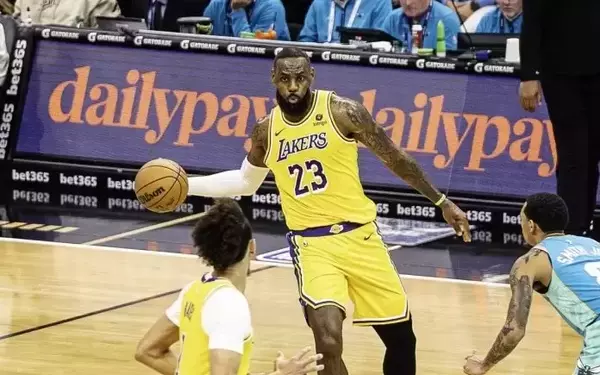
The recent controversy surrounding an Overwatch billboard featuring basketball icon Luka Doncic in Dallas sheds light on the intricate dynamics between the athlete, his former team, and the city's devoted fanbase. Despite Doncic's departure from the Dallas Mavericks, his commercial presence and popularity remain undeniably strong, leading to an unexpected intervention from the team's ownership regarding the billboard's prime location. This incident not only illustrates the enduring impact of a celebrated sports figure but also the Mavericks' strategic efforts to shape their current narrative post-Doncic, emphasizing a future centered on their revamped roster and new direction.
Dallas Mavericks Mandate Relocation of Luka Doncic Overwatch Advertisement Near Arena
A recent revelation has brought to light an internal disagreement within the Dallas Mavericks organization concerning a prominent billboard featuring former star player Luka Doncic. The advertisement, promoting the popular video game Overwatch, was initially erected in close proximity to the American Airlines Center, the Mavericks' home arena. However, reports from sports insider Arash Markazi indicate that the Mavericks' ownership group intervened, compelling a relocation of the billboard. The organization reportedly expressed dissatisfaction with a marketing campaign heavily featuring Doncic situated so near their central venue, signaling a desire to distance the team's current identity from its past. This move comes at a pivotal time, as the Mavericks, following Doncic's high-profile trade to the Los Angeles Lakers in a stunning blockbuster deal for Anthony Davis in February, are actively working to forge a new era for the franchise. Doncic, who spent seven remarkable seasons with the Mavericks, averaging an impressive 28.6 points, 8.6 rebounds, and 8.2 assists per game, remains a profoundly influential figure in Dallas. Since joining the Lakers, the Slovenian sensation has continued to deliver exceptional performances, including multiple triple-doubles and a spectacular 45-point outing against his former team in Dallas, further cementing his legacy and continued appeal.
From a journalist's perspective, this incident offers a compelling narrative on the intricate balance between a team's evolving identity and the lasting impact of its former stars. The Mavericks' decision to push for the billboard's relocation, while seemingly minor, speaks volumes about their intent to control the public perception and narrative surrounding the team. It reflects a strategic effort to redirect fan focus towards the present and future, rather than lingering on the celebrated past. This situation serves as a poignant reminder that even after a player's departure, their influence can persist, and managing that legacy becomes a crucial aspect of brand management for sports franchises. It also invites reflection on the emotional connection fans maintain with their heroes, regardless of team affiliations, and how commercial interests often intersect with deeply rooted loyalty.