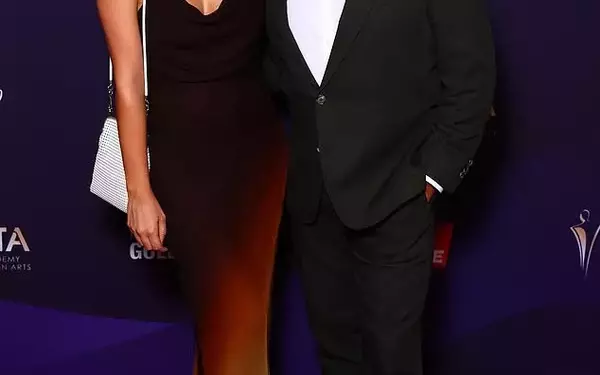
A prominent media personality, Amanda Rose, has publicly announced her departure from the morning breakfast program 'Sunrise' following a contentious ultimatum regarding her unpaid contributions. After three years of appearing on the show's 'Hot Topics' segment without receiving remuneration, Rose was presented with a choice: either commit to exclusivity with the program, still without pay, or face a reduction in her on-air appearances. Refusing to compromise her professional value, Rose opted to terminate her involvement, sparking a significant online discussion about the treatment of small business owners and media contributors.
Rose, who is also the CEO and founder of Entrepreneurial & Small Business Women Australia, expressed her dismay on social media platform Instagram. She highlighted the common pitfall for small business owners who are often enticed by "exposure" rather than fair compensation. Her post resonated with many, underscoring a broader issue within media industries where individuals are expected to provide their expertise for free, often benefiting larger organizations while carrying all personal and commercial risks. Her decision to walk away was a powerful statement on self-worth and fair professional practices.
In a candid video accompanying her statement, Rose sarcastically used music from Mariah Carey and *NSync to articulate her frustration, emphasizing the network's "audacity" in demanding exclusive, unpaid labor. She passionately argued that being grateful for an opportunity should not equate to accepting terms that devalue one's work. This bold stance quickly garnered widespread support, including from other former network personalities and public figures who applauded her "queen behavior" and "mic drop" moment.
Channel Seven, the network behind 'Sunrise,' responded to Rose's claims with a statement confirming that her appearances, like those of many commentators, were indeed unpaid. They asserted that Rose was welcome to continue appearing on other morning programs but not on a weekly basis, implying that the exclusivity demand was tied to the frequency of her appearances. The network respected her decision to prioritize her professional path, acknowledging her choice to disengage from the program.
Rose's experience sheds light on the often-unspoken realities faced by independent professionals and small business owners in media, where the promise of visibility can overshadow the need for equitable compensation. Her articulate and public refusal to accept such terms has become a rallying cry for recognizing and upholding the value of expert contributions, fostering a discussion about fair labor practices and challenging the status quo in media engagement.