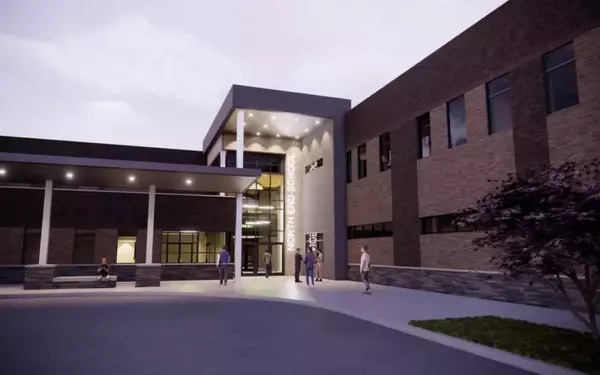
After more than half a century since its last successful bond request, Mt. Hood Community College is once again appealing to voters for financial support. The college aims to secure a $136 million bond measure slated for the May 20 ballot, which would fund crucial infrastructure improvements at its Gresham campus. These enhancements include earthquake retrofitting and updates to outdated heating, cooling, and wiring systems in buildings constructed in 1970. President Lisa Skari emphasizes the urgency of these renovations, noting that maintaining the aging facilities has strained classroom resources. Unlike previous attempts over the past three decades, this proposal focuses on essential upgrades rather than new construction, with additional funding sought from grants and state contributions.
For decades, Mt. Hood Community College has struggled to secure voter approval for bonds aimed at improving its infrastructure. This year's proposal marks the seventh attempt in the last thirty years, reflecting an ongoing need for modernization. The college's infrastructure, dating back to the early 1970s, faces challenges such as inadequate heating and cooling systems and deteriorating building materials. These issues not only impact the quality of education but also pose potential safety risks. Despite these pressing needs, previous requests have failed due to various reasons, including voter concerns about taxation.
This time around, the proposed bond measure totals $136 million, representing a modest increase compared to recent measures passed by other Oregon community colleges. For instance, Portland Community College secured a record $450 million bond in 2022, while Clackamas Community College renewed its bond at $120 million in 2024. The tax burden associated with Mt. Hood's bond would add approximately $60 annually to the average homeowner's bill within the district, covering areas east of Interstate 205 in Multnomah County, extending to the eastern slopes of Mount Hood. Communities like East Portland, Gresham, Troutdale, Sandy, and Government Camp will participate in the decision-making process.
Beyond addressing structural deficiencies, the bond envisions several enhancements designed to benefit both students and the broader community. Plans include installing a retractable dome over the outdoor pool, enabling year-round swimming opportunities, renovating laboratories, consolidating health programs under one roof, and creating new student activity spaces. These initiatives align with the college's mission to foster workforce development and economic growth by providing skills training in high-demand fields. President Skari highlights the importance of this investment, asserting that it empowers community members to acquire valuable education and training despite challenging times.
College officials frame the bond as a practical solution to meet critical needs without unnecessary frills. Their confidence is bolstered by a prestigious financial excellence certification, making Mt. Hood the sole Oregon community college to receive an award for financial reporting and transparency from the Government Finance Officers Association. Although enrollment remains below pre-pandemic levels, administrators foresee gradual growth, underscoring the timeliness of this initiative. With a comprehensive needs assessment indicating over $200 million worth of required upgrades, the current proposal represents a carefully considered and cost-effective approach. While awaiting community feedback, President Skari expresses cautious optimism, emphasizing the non-frivolous nature of the bond and its potential to enhance educational opportunities and community well-being.
Affirmative voter support could pave the way for transformative changes at Mt. Hood Community College, revitalizing its facilities and reinforcing its role as a vital educational resource. By focusing on essential upgrades rather than expansive new projects, the college demonstrates fiscal responsibility while addressing long-standing infrastructure challenges. If approved, the bond would not only improve campus conditions but also strengthen the college's capacity to deliver high-quality education and workforce training, ultimately benefiting both students and the surrounding communities.