In the dynamic world of professional basketball, where every decision carries immense weight, players often find themselves at a crossroads. The recent insights from a seasoned voice in the NBA landscape offer a compelling perspective on the strategic choices facing athletes like Ben Simmons as they navigate their careers. The cautionary advice provided underscores the unique pressures and expectations that come with playing for franchises deeply entrenched in fiercely competitive markets. This narrative highlights the delicate balance between a player's inherent talent, their mental resilience, and the external environment that can profoundly influence their journey and confidence on the court. It's a testament to the idea that success isn't solely defined by skill, but also by the ability to thrive under the relentless glare of public and media attention.
Basketball Analyst Issues Stern Advice to Ben Simmons Regarding Future Team Choices
On a significant date, July 31, 2025, during an insightful segment on SiriusXM NBA Radio, former NBA All-Star and respected analyst Eddie Johnson delivered a candid warning to Ben Simmons. Johnson’s comments came as Simmons, a 28-year-old talent, reportedly narrowed down his options for free agency, with the New York Knicks and Boston Celtics emerging as prominent contenders, alongside the Sacramento Kings.
Johnson, while acknowledging Simmons' exceptional court vision and passing prowess, emphatically stated that a move to either Boston or New York would be "crazy" for the Australian point forward. He elaborated on his concerns, pointing to the fervent fan bases and sky-high expectations prevalent in these iconic basketball cities. According to Johnson, the intense scrutiny and demand for immediate success from fans in places like Boston could prove detrimental to Simmons' confidence, which he believes is crucial for the player's resurgence.
Simmons' recent track record includes a stint with the Los Angeles Clippers, where his contributions were limited. During his 17 appearances on a minimum contract, he averaged modest statistics of 2.9 points, 3.8 rebounds, and 3.1 assists in 16.4 minutes per game. These numbers reflect the challenges he has faced, particularly with recurring back issues, which have impacted his on-court availability and performance.
Despite these setbacks, Simmons continues to attract interest from teams, largely due to his elite playmaking abilities and considerable defensive potential. However, Johnson's core argument revolves around the psychological toll that playing in high-pressure environments can inflict, particularly on a player looking to regain his peak form.
Adding another layer to this complex scenario, the Boston Celtics are entering a crucial offseason. Their star player, Jayson Tatum, is facing a lengthy recovery period after sustaining a season-ending Achilles injury during the second round of the playoffs. Should Simmons join the Celtics, Johnson implied that the burden of expectation would intensify significantly in Tatum’s absence, potentially placing immense pressure on Simmons to fill a substantial void immediately.
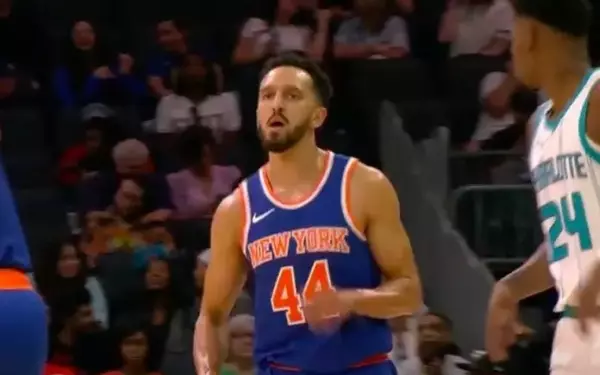
Meanwhile, in the bustling metropolis of New York, the Knicks are weighing their final roster spot. As reported by SNY's Ian Begley, the choice has seemingly come down to Simmons and sharpshooter Landry Shamet. Shamet, who appeared in 50 games for the Knicks last season, averaged 5.7 points with an impressive 39.7% shooting accuracy from beyond the arc. The Knicks are reportedly valuing Shamet's ability to create floor spacing as a low-usage bench contributor, a contrast to Simmons' more multifaceted, yet currently health-challenged, skillset.
This ongoing narrative underscores the strategic considerations and human elements at play in professional sports, where player well-being and team dynamics are as critical as raw talent.
From a journalist's vantage point, this situation highlights the fascinating interplay between player psychology, market demands, and team strategy. Eddie Johnson’s insight isn't merely a critique of Ben Simmons' skills; it's a profound commentary on the human element in professional sports. He's not just saying Simmons might struggle; he's suggesting that the immense pressure cooker of Boston or New York could actively hinder his mental and physical recovery, potentially derailing his career. This perspective reminds us that athletes are not just statistics or commodities; they are individuals susceptible to confidence issues, injuries, and the overwhelming weight of public expectation. For Simmons, choosing his next destination isn't just about a contract; it's about finding an environment where he can truly rebuild, both physically and psychologically, away from the intense glare that could magnify every misstep. It’s a compelling narrative that transcends the box score, focusing instead on the holistic well-being and long-term success of an immensely talented, yet currently vulnerable, athlete.