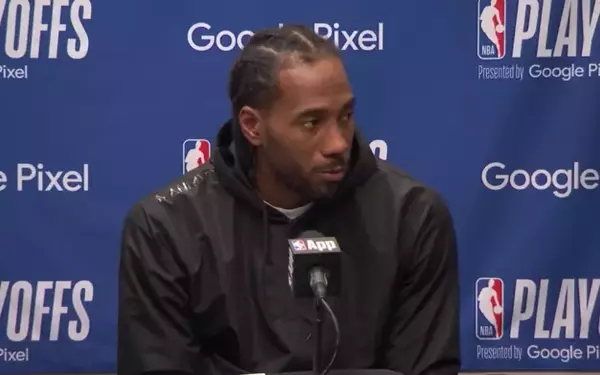
The National Basketball Association has initiated an inquiry into the financial arrangements between player Kawhi Leonard and the Los Angeles Clippers, a situation that has prompted seasoned observers to recall a notorious past incident involving Joe Smith and the Minnesota Timberwolves. This ongoing investigation centers on allegations of salary cap circumvention, highlighting the league's vigilance in preserving fair play and fiscal integrity.
At the heart of the current controversy lies a reported $28 million endorsement contract between Leonard and Aspiration, a company that subsequently received significant funding from Clippers owner Steve Ballmer. Reports suggest this endorsement was a 'no-show' position, with payments allegedly linked to Leonard's tenure with the Los Angeles team. The NBA's immediate response to these claims underscores its commitment to examining any arrangements that could potentially violate the league's collective bargaining agreement. The Clippers organization, for their part, have vehemently denied any impropriety, asserting that all dealings were above board and compliant with regulations.
The parallels between Leonard's situation and the Joe Smith case of the late 1990s are striking. Smith's contract with the Timberwolves was scrutinized for a secret agreement that promised deferred payments in exchange for signing below market value, an attempt to gain an unfair competitive advantage. Smith, who was a young player at the time, later expressed his reliance on his agents, stating he was unaware of any illicit activities. The repercussions for the Timberwolves were severe: substantial fines and the forfeiture of multiple first-round draft selections. Smith himself faced a temporary departure from the team before his return, illustrating the broad impact of such violations on both individuals and franchises.
These incidents, though separated by decades, both underscore the enduring challenge the NBA faces in regulating hidden financial benefits outside of official player contracts. The league's collective bargaining agreement explicitly prohibits such clandestine dealings, imposing stringent penalties to deter teams from gaining an illicit edge in player acquisition. While the nature of the alleged circumvention differs—one involving direct player contracts and the other revolving around endorsement deals linked to team ownership—the fundamental principle of fair competition remains at stake. The outcome of the current investigation into the Clippers and Kawhi Leonard will undoubtedly reinforce the NBA's stance on fiscal transparency and competitive equity.
As the investigation proceeds, the Clippers face considerable scrutiny, particularly given the significant assets they surrendered to acquire Leonard and Paul George in 2019. The subsequent success of Shai Gilgeous-Alexander, the player traded to Oklahoma City as part of that deal, further highlights the stakes involved. The historical precedent set by the Joe Smith scandal serves as a potent reminder that any proven infractions can lead to severe consequences, affecting not only the players involved but also the long-term prospects and reputation of the entire franchise.