The recent NBA season has sparked considerable debate and concern among enthusiasts globally. While fans eagerly anticipated witnessing the extraordinary talents of iconic players like Stephen Curry's unparalleled shooting, Anthony Davis's formidable presence, and the effortless mastery of Kyrie Irving and Kevin Durant, these aspirations were frequently thwarted by an alarming incidence of persistent injuries.
NBA's Grueling Schedule Under Scrutiny: A Season Plagued by Injuries
The National Basketball Association consistently grapples with the challenge of maintaining player fitness and fan satisfaction, a predicament exacerbated by its rigorous schedule. The conclusion of the 2024-2025 season starkly highlighted this issue, as a wave of injuries sidelined numerous prominent athletes, leaving supporters discontented. This recurring pattern underscores a fundamental flaw in the league's current structure.
Despite ongoing discussions within the NBA community about the potential advantages of reducing the number of games in a season, concrete reforms have remained elusive. The conventional 82-game format persists, placing immense physical demands on players without adequate safeguards against the inevitable toll.
The past season presented an undeniable array of negative repercussions. Consider the plight of Joel Embiid, a player adorned with accolades including the 2023 MVP title, seven NBA All-Star selections, a spot on the 2023 All-NBA First Team, and three All-Defensive Team honors. A significant portion of his season was tragically lost to debilitating knee problems, depriving fans of one of the league's premier defensive talents and the very heartbeat of the Philadelphia 76ers.
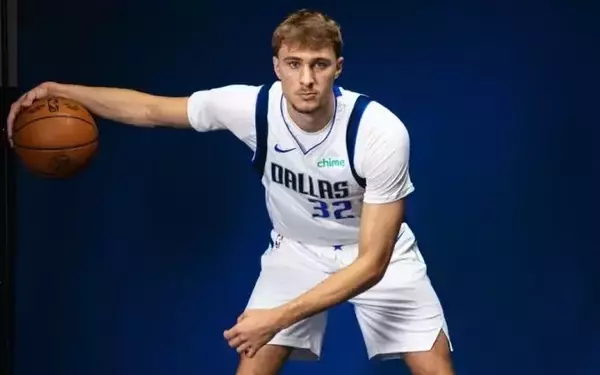
Furthermore, the Dallas Mavericks faced a similar, if not more dire, situation following their momentous trade involving Luka Dončić to the Los Angeles Lakers. Despite acquiring star power in Kyrie Irving and Anthony Davis, their aspirations for playoff contention were severely undermined. Irving sustained a season-ending ACL tear, while Davis suffered an injury in his debut game for the Mavericks, effectively extinguishing Dallas's hopes for a deep postseason run.
The injury crisis extended beyond the regular season, casting a shadow over the high-stakes playoffs. Key figures such as Donovan Mitchell of the Cleveland Cavaliers battled ankle issues, Damian Lillard endured a torn Achilles, and even the 2024 champion, Jayson Tatum, required significant recovery after an Achilles surgery. Golden State's beloved Stephen Curry also found himself sidelined with a hamstring strain, an unprecedented occurrence in his illustrious career. This extensive list of injured players vividly illustrates the unsustainable nature of the current schedule.
The rampant increase in injuries across both the regular season and playoffs serves as an urgent wake-up call for the league's leadership. Not only does the demanding 82-game season make it nearly impossible for elite athletes to maintain peak physical condition, but it also deprives fans of the high-caliber basketball they yearn to witness. This decline is tangible, reflected in reduced stadium attendance and a concerning 2% year-over-year drop in average national network viewership for the regular season.
A strategic reduction in the number of games played could profoundly rejuvenate the league. With fewer contests, each game would inherently gain heightened significance and intensity, fostering a more competitive environment. This shift would create a ripple effect, alleviating the immense physical burden on players and substantially mitigating the risk of chronic injuries that lead to prolonged absences. Such a change would incentivize teams to field their strongest lineups consistently, ensuring fans witness their franchise's brightest stars in action throughout crucial events like the Emirates NBA Cup, the regular season, and the culminating playoffs.
Moreover, enhancing the value of each game could diminish the subtle practice of 'tanking'—where teams intentionally perform poorly to secure better draft picks. This perspective isn't limited to observers; players themselves acknowledge the strain. Paul George recently articulated his concern over Tyrese Haliburton's Achilles tear in Game 7 of the finals, noting the cumulative fatigue from the Olympics, a grueling season, and an arduous playoff run, all contributing to an increased physical toll.
Haliburton's devastating injury in Game 7 of the finals profoundly impacted not only Pacers supporters but basketball aficionados globally. It stands as a poignant example of a preventable outcome, had the league proactively addressed the ongoing discourse about shortening seasons, thereby enabling players to complete a full campaign with significantly less physical duress.
The vision of a more fiercely contested and thrilling NBA season, where the league's most brilliant stars consistently dazzle on the court, remains a fervent hope. The path forward demands bold action and a commitment to player well-being and competitive integrity.