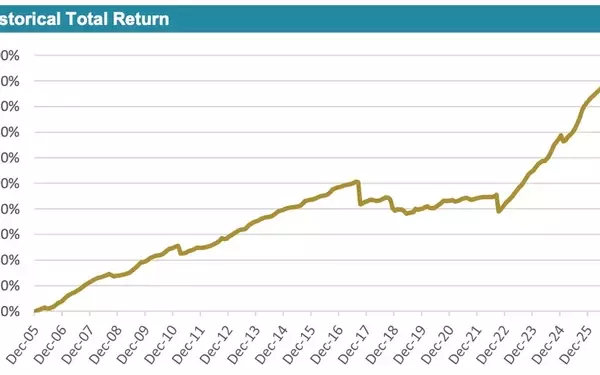
Nephila Capital, a prominent player in the insurance-linked securities (ILS) sector, has demonstrated remarkable financial resilience throughout 2026. Its fund management activities generated substantial income, as evidenced by its parent company Markel's latest quarterly report. For the third quarter, Nephila's revenues surged by almost 40%, reaching $42.2 million. This impressive growth trajectory has been consistent, with year-to-date revenues for the first nine months of 2026 totaling $120.3 million, marking a significant 42% increase compared to the previous year. This strong financial showing is particularly noteworthy given the prevailing soft reinsurance market conditions.
Despite the rising revenues from fund management, the softening reinsurance market has impacted the volume of premiums ceded to Nephila's reinsurers through fronting arrangements. Markel's data indicates a decline in these fronted premiums, primarily attributed to rate reductions in property catastrophe reinsurance. This shift suggests a more competitive landscape, prompting Nephila to explore diversified avenues for risk transfer. The firm's proactive approach includes establishing new fronting partnerships, such as the one with Enstar and its Cavello Bay reinsurer entity, to navigate market dynamics and optimize its capital deployment strategies.
Steady Growth in Fund Management Income
Nephila Capital's ILS fund management division has consistently delivered impressive financial results throughout 2026, with revenues continuing their upward trend. The first quarter saw an exceptional 59% year-on-year increase, reaching $40.5 million. This momentum carried into the second quarter, where revenues rose by 23% to $37.7 million. Cumulatively, for the first half of 2026, the business reported $78.1 million in ILS fund revenues, a 30% increase from the same period in 2025. By the end of September, the total ILS fund management revenues for Markel, Nephila's parent, had climbed to $120.3 million, marking a substantial 42% year-on-year growth. This consistent performance underscores the robust demand for Nephila's ILS strategies and the effective management of its diverse investment portfolio.
The sustained growth in Nephila's fund management revenues can be attributed to several factors. A significant portion of this growth, especially in the third quarter, likely stems from performance fees, which are often accrued during periods of favorable reinsurance contract outcomes. This trend suggests that investors in Nephila's various ILS fund strategies have been experiencing positive returns throughout the year. The firm has benefited from higher inward rates secured in previous underwriting cycles, coupled with its efficient infrastructure that allows for increased premium writing. Additionally, a relatively benign major catastrophe loss environment has contributed to improved profitability. However, with property catastrophe reinsurance rates softening, the future trajectory of ILS management fee income will be closely watched, as it may necessitate strategic adjustments for Nephila and other industry participants.
Adapting to a Softening Reinsurance Market
The reinsurance market experienced a significant softening in 2026, a trend that became increasingly evident in the declining volume of premiums fronted to Nephila's reinsurers. Markel's reports indicated a notable decrease in these volumes, with Q3 2026 seeing $58.5 million in ceded premiums, down from $162.9 million in Q3 2025. The year-to-date figure for fronted premiums also fell to $1.1 billion by September 30th, compared to $1.8 billion in the same period last year. This reduction was primarily due to rate decreases in property catastrophe programs, highlighting the competitive pressures within the reinsurance sector. In response, Nephila Capital has been actively diversifying its market access strategies, including forging new fronting partnerships to maintain its market presence and adapt to evolving conditions.
Nephila's strategic adjustments to the softening market extend beyond relying solely on Markel's fronting capabilities. The firm has initiated a fronting relationship with Enstar, utilizing its Cavello Bay reinsurer entity to facilitate risk transfer. This new partnership, first observed in Florida Citizens' reinsurance placement, provides Nephila with additional flexibility and alternative routes to market. Consequently, distinguishing between premium declines caused by market softening and those resulting from the diversification of fronting arrangements becomes more complex. Furthermore, the reinsurance recoverable due to Markel from Nephila's reinsurers has continued to decrease, reaching a historical low of $187.2 million by September 30th, reflecting the impact of commutations and realized losses. Despite these challenges, Nephila Capital remains a vital and diversified income source for Markel, actively increasing its hedging arrangements, particularly through industry-loss warranty (ILW) and other retrocession agreements, to mitigate market risks.