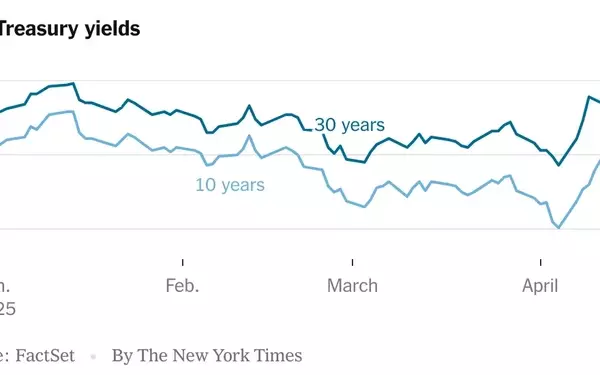
Financial markets have recently witnessed a pivotal shift that underscores the evolving landscape of global investment strategies. In early April 2025, an unexpected event altered the traditional behavior of investors when faced with economic uncertainty. Traditionally, during times of turmoil, capital would flow into bonds as a safe haven. However, recent developments suggest a departure from this norm, challenging the perception of the United States as the ultimate financial refuge.
This transformation became evident when tariff-related chaos disrupted market stability. Stocks plummeted, and instead of flocking to bonds for security, investors exhibited hesitation. This reluctance reflects a broader concern about the reliability of US fiscal policies and their impact on international confidence. The implications extend beyond mere market fluctuations, questioning the ability of the US to sustain its leadership role in global economic matters and maintain long-term growth potential. Such shifts indicate a need for reassessment of both domestic and international financial strategies.
In light of these changes, it is crucial to recognize the importance of fostering stability through responsible fiscal management and active international collaboration. By prioritizing disciplined economic policies and constructive engagement with global partners, the foundation for enduring prosperity can be solidified. Embracing these principles not only ensures national resilience but also contributes to a more stable and thriving global economy. It is imperative to adapt to this new reality and work towards reinforcing trust and confidence in financial systems worldwide.