NuScale Power is on the cusp of an unprecedented agreement with the Tennessee Valley Authority (TVA), potentially marking the most significant nuclear power deployment in the United States' history. This ambitious undertaking, projected to deliver between 6 to 8 gigawatts of generating capacity, could dwarf existing conventional nuclear facilities and revolutionize the energy landscape.
Details of the Landmark Nuclear Power Initiative
At a recent quarterly earnings discussion, NuScale's CEO, John Hopkins, highlighted that crucial conversations are actively progressing with the TVA through their strategic collaborator, ENTRA1 Energy. This proposed venture is designed to deploy small modular reactors (SMRs) on a scale previously unattempted in the nation, aiming for a generating capacity between 6 to 8 gigawatts. To contextualize, the largest traditional nuclear power station currently operating in the U.S. features four operational reactors, generating approximately 4.65 to 4.8 gigawatts. This indicates the truly massive potential of the forthcoming SMR initiative.
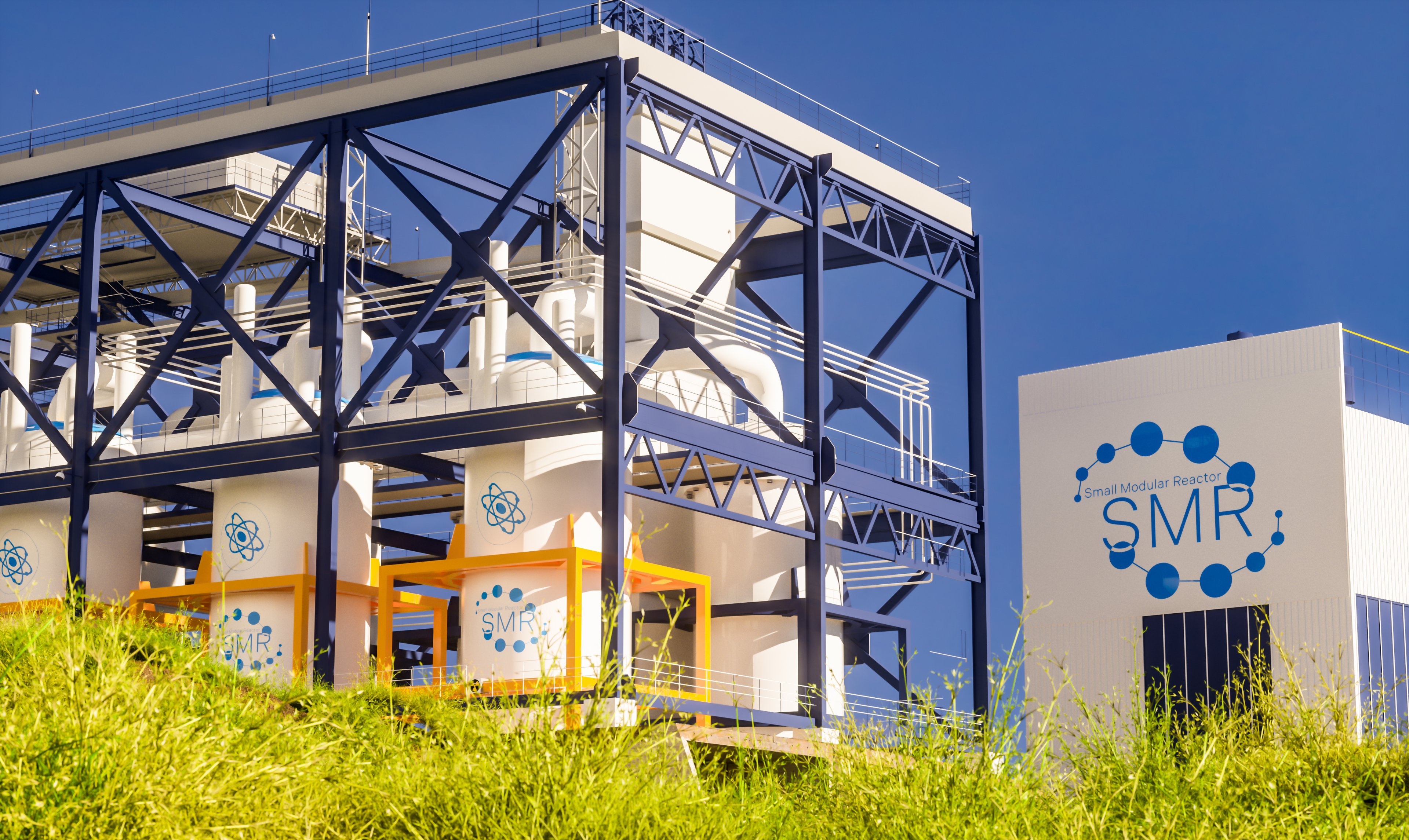
Image source: Getty Images.
NuScale's approach extends beyond merely supplying reactors; it champions a novel construction paradigm utilizing factory-fabricated modules. These 77-megawatt reactor modules, integral to their VOYGR design, can be flexibly assembled into larger power facilities according to specific demand. This standardized production method is anticipated to significantly mitigate construction risks and costs, offering a more efficient alternative to conventional large-scale nuclear power plant developments.
The increasing global demand from utility companies, industrial manufacturers, and developers of artificial intelligence (AI) data centers for dependable, carbon-free electricity underscores the critical importance of this technology. While renewable sources like wind and solar continue to expand their footprint, nuclear power remains an indispensable provider of consistent, clean energy.
During the earnings call, management emphasized NuScale's readiness for this monumental undertaking. Hopkins asserted that the company has dedicated considerable effort over many years to complete the necessary engineering designs, secure regulatory approvals, arrange fuel supplies, and forge supplier agreements in preparation for construction. NuScale stands alone as the only SMR developer to have received design certification from the U.S. Nuclear Regulatory Commission. Furthermore, over half of its crucial supply chain partners, including fuel provider Framatome and heavy-forging manufacturer Doosan Enerbility, are already under commercial contract. The company's robust financial position, ending the second quarter with $1.9 billion in cash, cash equivalents, and investments, provides ample flexibility as it progresses towards commercial deployment.
While NuScale's second-quarter financial outcomes showed modest revenue of $75,000 and a net loss of approximately $47.5 million, the company's long-term success hinges not on immediate earnings but on its capacity to transition its extensive engineering expertise into tangible reactor deployments. A definitive pact with the TVA would serve as a powerful endorsement of NuScale's technology and could signal a pivotal shift in the utility sector's readiness to advance from feasibility studies to active construction projects.
Future Implications and Challenges of a Transformative Partnership
The prospect of a 6-to-8-gigawatt deployment by the TVA represents a monumental opportunity for NuScale, potentially cementing its leadership in the U.S. small modular reactor sector. Such a project could serve as a foundational model for subsequent national initiatives and validate years of strategic investments in regulatory compliance, manufacturing collaborations, and engineering innovation. However, it is important to acknowledge that these discussions are still in progress. A definitive power purchase agreement has not yet been signed, project economics need finalization, and historical precedents suggest that large-scale nuclear projects often encounter delays, cost overruns, and political obstacles. Despite these challenges, the sheer magnitude of this opportunity is compelling. Should the TVA project proceed as anticipated by management, it would not merely signify another contract for NuScale but would herald one of the most ambitious nuclear construction programs in the United States in decades, fundamentally reshaping the future of nuclear energy infrastructure.