Nvidia, a company renowned for its groundbreaking compute capabilities, has recently experienced a downturn in its market valuation. Despite continued revenue growth, the company's stock has seen a significant 15% decrease from its peak in May, making it more affordable relative to its projected earnings compared to the S&P average. This development highlights a shift in investor focus within the AI infrastructure landscape.
While Nvidia's stock has faced challenges, the memory sector has witnessed remarkable growth. Companies like Micron, a major producer of DRAM (dynamic random-access memory), have nearly tripled in value during the same period. This surge is attributed to memory emerging as a critical bottleneck in data centers, with demand outpacing supply. The GPU scarcity, which was a concern last year, has somewhat alleviated, yet the insatiable need for memory in data centers has driven prices skyward, leading to a tenfold increase in spot prices for DRAM since 2025.
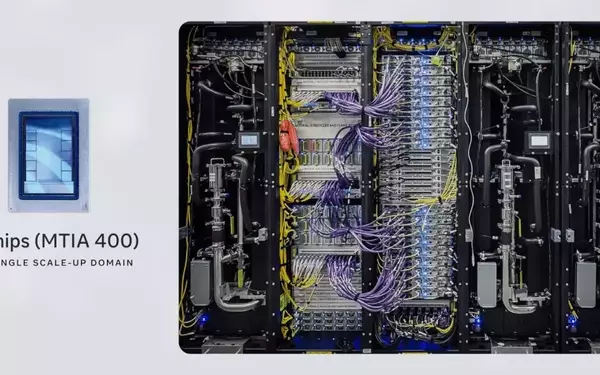
This market dynamic, where simpler memory technologies are gaining significant financial traction while Nvidia's sophisticated GPUs see a relative dip in market enthusiasm, is a direct consequence of the compute marketplace Nvidia itself helped to establish. As more players, including tech giants like Google, Amazon, Microsoft, and OpenAI, develop their custom processors to reduce reliance on Nvidia, the price of compute is driven down. However, the lack of new entrants and technological breakthroughs in the high-bandwidth memory (HBM) market means that memory providers continue to capitalize on escalating demand, creating a frustrating scenario for Nvidia, which is now a victim of the very market forces it unleashed.
This evolving landscape underscores the dynamic nature of technological markets, where innovation, while initially disruptive, can inadvertently create new opportunities and challenges. Nvidia's journey exemplifies how even industry leaders must adapt to shifting priorities and emerging bottlenecks to maintain their competitive edge. The current situation, characterized by a booming memory market and a more competitive compute environment, encourages continuous adaptation and forward-thinking strategies across the tech sector.