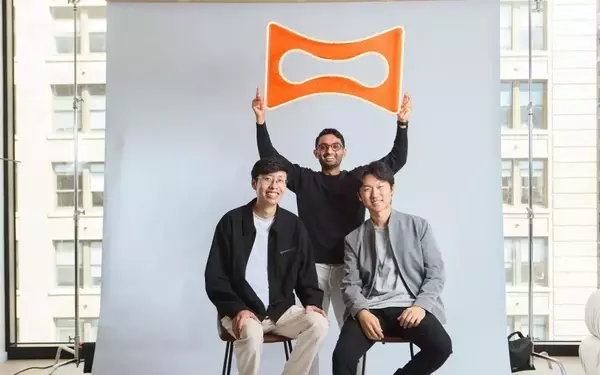
OpenAI's product lead for Dots, Alexander Embiricos, is set to headline the AI Stage at TechCrunch Disrupt 2026, held in San Francisco from October 13-15. This eagerly anticipated appearance follows the recent introduction of Dots, OpenAI's innovative personal AI agent designed to transcend conventional chatbot functionalities. Embiricos's discussion will shed light on the strategic decisions that shaped Dots, exploring its potential to integrate seamlessly into users' digital lives and the broader trajectory of personal AI. The conversation promises to address key challenges, such as establishing user trust and safeguarding privacy, which are pivotal for the successful deployment of such advanced AI systems.
Dots represent a significant leap forward in AI technology, moving beyond simple prompt responses to become persistent, autonomous entities. These AI agents are equipped with their own cloud computing capabilities and can connect with a user's everyday applications, enabling them to work proactively towards defined goals. This enhanced autonomy allows Dots to perform tasks in the background, fundamentally altering how individuals interact with their digital environments. The discourse at TechCrunch Disrupt 2026 will undoubtedly explore the implications of this shift, examining how these intelligent agents will redefine productivity and personal assistance.
The Evolution of Personal AI: Beyond Chatbots
OpenAI's latest venture, "Dots," signifies a strategic pivot from reactive chatbots to proactive personal AI agents. Alexander Embiricos, the product lead for this groundbreaking initiative, is slated to provide an in-depth perspective at TechCrunch Disrupt 2026. This move highlights a broader industry trend towards more autonomous and integrated AI solutions that aim to seamlessly assist users in their daily tasks and decision-making processes. The transition from conversational interfaces to agents capable of independent action marks a critical phase in the development of artificial intelligence, promising a future where AI plays a more pervasive and personalized role.
The advent of Dots introduces a new paradigm where AI is not merely a tool for answering queries but a persistent companion that learns from and adapts to user behaviors. These agents leverage dedicated cloud infrastructure and robust integration with various applications, allowing them to manage complex workflows and achieve objectives without constant human intervention. The upcoming session with Alexander Embiricos will likely cover the architectural underpinnings of Dots, its unique capabilities, and how OpenAI envisions these agents transforming personal and professional digital interactions. Understanding the design philosophy behind Dots and its operational framework will be crucial for comprehending the next generation of AI-driven personal assistance.
Addressing Autonomy, Trust, and Privacy in Advanced AI
The increased autonomy of personal AI agents like Dots inevitably raises profound questions regarding user control, data privacy, and ethical considerations. As these systems gain deeper access to personal data and the ability to act independently, the issue of trust becomes paramount. Alexander Embiricos's address at TechCrunch Disrupt 2026 will confront these challenges head-on, discussing the delicate balance between AI empowerment and user safeguarding. OpenAI's approach to earning and maintaining user confidence will be a central theme, emphasizing the importance of transparent operations and robust privacy protocols.
Embiricos's discussion, titled "What Comes After the Chatbot?", will explore OpenAI's strategies for building AI agents that users can trust with sensitive information and critical tasks. The conversation is expected to cover how the company plans to address concerns about AI decision-making, data security, and the potential for unintended consequences. Ensuring that users feel secure and in control of their AI agents is vital for widespread adoption, making privacy and ethical design core tenets of Dots' development. This session will offer valuable insights into the future of human-AI collaboration and the foundational principles necessary for its successful and responsible evolution.