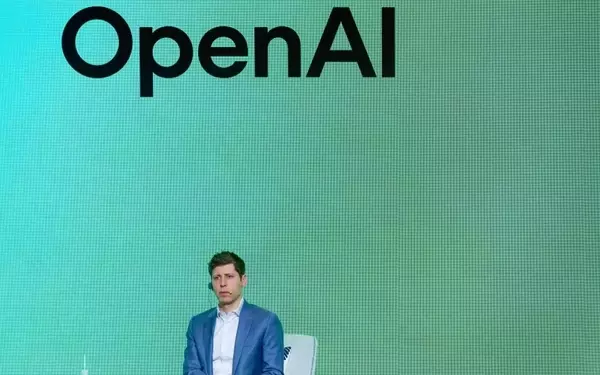
In a surprising twist during the ongoing antitrust trial against Google, an executive from OpenAI expressed interest in acquiring the tech giant’s Chrome browser if it were ever put up for sale. According to reports, this move could signify OpenAI's ambitions to revolutionize the browsing experience by integrating artificial intelligence capabilities. Testifying on behalf of the Justice Department, Nick Turley highlighted how such an acquisition might enable users to explore what an AI-first browser looks like. This comes amid broader discussions around whether Google should divest Chrome as part of resolving allegations tied to its monopolistic practices in online search.
Potential Acquisition Sparks Debate Over Browser Innovation
In a courtroom filled with anticipation last Tuesday, Nick Turley, representing OpenAI, revealed his company’s interest in purchasing Google’s widely-used Chrome browser. During this significant legal proceeding concerning Google’s alleged monopolistic behavior in the digital market, Turley suggested that owning Chrome would provide OpenAI the opportunity to craft an extraordinary user journey centered around AI technology. This revelation occurred within the context of the Justice Department's demand for Google to potentially sell off Chrome, which has been identified as a critical component maintaining Google’s dominance in internet searches.
Further fueling speculation about OpenAI's intentions, the organization has reportedly explored creating its own web browser capable of competing with Chrome. To bolster these efforts, they recently recruited Ben Goodger and Darin Fisher, former Google employees who played pivotal roles in developing the original Chrome framework several months ago. These hires suggest OpenAI is not only contemplating but actively preparing for a future where their innovative ideas can reshape how people interact with the web.
From a journalistic perspective, this situation raises intriguing questions about technological advancement and corporate influence. If OpenAI succeeds in acquiring Chrome or launching their own competitive browser, it could usher in a new era defined by smarter, more intuitive online experiences powered by cutting-edge AI technologies. However, such developments also prompt concerns over data privacy and control, urging society to carefully consider the implications of placing advanced tools in fewer hands. Ultimately, this unfolding drama underscores the importance of balancing innovation with ethical responsibility in our rapidly evolving digital landscape.