Google is on the verge of rolling out a significant enhancement to its Motion Assist feature for Pixel smartphones. This upcoming integration with the existing Transit mode is poised to revolutionize how Pixel devices manage motion sickness for users during their daily commutes. By moving beyond mere motion detection, the system will intelligently leverage contextual information such as transit schedules and location, ensuring that anti-motion sickness visual cues are activated precisely when needed, offering a more seamless and intuitive user experience.
The current iteration of Motion Assist, while functional, sometimes falls short in consistently identifying when a user is in a moving vehicle. Google's support documentation itself acknowledges this limitation. This is where the synergy with Transit mode becomes crucial. Transit mode already utilizes sophisticated contextual signals to manage notification settings and display relevant commute information. By linking Motion Assist directly to Transit mode, Pixel phones gain a robust and dependable mechanism for triggering the feature, eliminating the need for users to manually adjust settings each time they embark on a bus or train journey.
Evidence of this forthcoming update emerged from strings discovered within Google Play Services version 26.38.30. One notable string, "motion_sickness_notification_title_transit_mode," clearly indicates that Motion Assist will be activated by Transit mode. This suggests that users will receive a specific notification when the feature is engaged, preventing any surprise from the animated dots appearing on their screen unexpectedly during their ride.
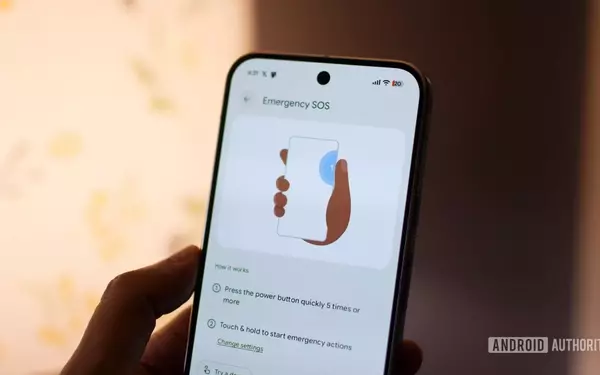
Motion Assist itself is an innovative solution designed to alleviate nausea caused by viewing a screen in a moving environment. It achieves this by displaying subtle animated dots along the display's edges, which move in sync with the vehicle's momentum. This visual feedback helps to reconcile the sensory disparity between what the eyes perceive and what the inner ear experiences, thereby reducing discomfort. The upcoming integration with Transit mode promises to make this valuable feature even more accessible and effective for Pixel users.
While an official announcement from Google regarding this feature pairing is still pending, its presence within Play Services strongly suggests that it will be deployed to Pixel devices in an upcoming software update or feature drop. This strategic combination underscores Google's ongoing commitment to enhancing user comfort and refining the intelligent capabilities of its Pixel smartphone lineup, offering a more responsive and less distracting experience for commuters.