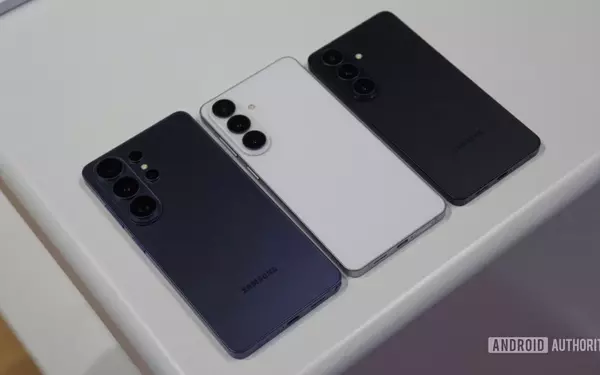
Google is on the verge of introducing significant enhancements to its Pixel Search application, integrating advanced Gemini AI capabilities and rolling out robust privacy controls. This update is designed to transform the search experience on Pixel devices, particularly for users of the Pixel 11 series and newer Android versions, by offering more intelligent suggestions and greater personal data management.
The latest version of Pixel Search (1.0.983036833) brings a dedicated 'Privacy & Permissions' section within the app's settings. This new feature empowers users with granular control over their data, allowing them to opt out of data aggregation for usage insights and to prevent the app from utilizing call logs and SMS history for contact suggestions. While these toggles provide an initial layer of privacy, users who wish to completely exclude their call and message data from search results can revoke the corresponding permissions directly through the app's 'App Permissions' page, offering a comprehensive approach to data privacy.
Beyond privacy, the future of Pixel Search looks smarter with the anticipated 'Gemini-powered suggestions' feature. An in-depth analysis of the app's code indicates that this AI integration will proactively provide relevant information and actions, significantly speeding up task completion for users. Although this feature is not yet active, its imminent release suggests a leap forward in mobile search intelligence, making the Pixel Search app an even more indispensable tool for navigating digital life on Android devices. This commitment to both advanced functionality and user privacy highlights Google's ongoing efforts to refine the Pixel experience.
These developments underscore a positive trend towards user empowerment and technological innovation. By offering choices regarding data sharing and harnessing cutting-edge AI, Google is not only improving the utility of its devices but also fostering a more secure and personalized digital environment for its users. This balanced approach to progress ensures that as technology advances, user control and well-being remain at the forefront.