In a significant move, Plano officials are set to present voters with a historic $650 million bond referendum in the upcoming May election. This ambitious initiative aims to fund crucial city projects across various sectors, including infrastructure, public safety, and recreational facilities.
The proposed $647.9 million bond package will be divided into seven propositions, each addressing specific areas of need within the city. The largest portion, nearly half of the total amount, is allocated for street improvement projects. These enhancements include repairing pavement, reconstructing roads, improving intersections, and installing new sidewalks. Other key initiatives involve constructing a new police headquarters, renovating libraries, and upgrading park facilities. If all propositions are approved, residents can expect a modest tax increase of 3.2 cents per $100 of property value, equating to approximately $224.65 annually for an average home valued at $579,554 by 2029. However, this figure represents only one year's snapshot, as the debt will be repaid over two decades.
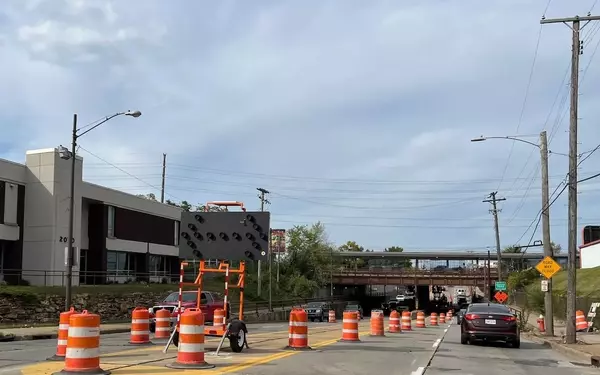
City leaders recognize the importance of transparency regarding the referendum's financial impact on taxpayers. Council member Anthony Ricciardelli emphasized the need to clearly communicate these details to voters, advocating for comprehensive voter education materials before the May election. Mayor Pro Tem Maria Tu highlighted that while the cost may seem high, it is an essential investment in the city's future. She likened the projects to "cosmetic surgery" needed to keep Plano competitive with younger neighboring cities. Council members also acknowledged the delicate balance between necessary improvements and minimizing disruption to daily life, particularly concerning road construction.
The bond referendum reflects Plano's commitment to maintaining its quality of life and addressing aging infrastructure. By investing in critical areas such as transportation, public safety, and community spaces, the city aims to ensure long-term sustainability and growth. Ultimately, this forward-thinking approach underscores the importance of proactive planning and responsible governance, setting a positive example for other communities facing similar challenges.