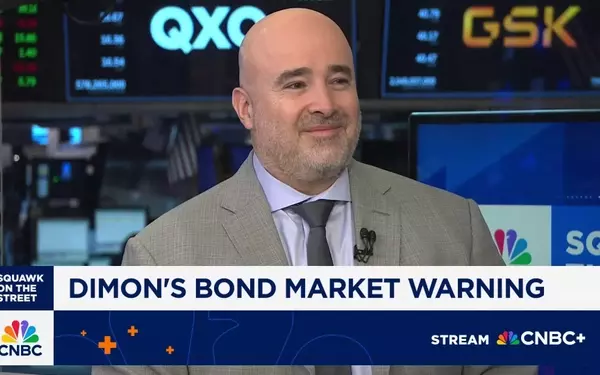
The possibility of a significant disruption in the bond market has become a topic of concern among financial experts. JPMorgan CEO Jamie Dimon recently highlighted this issue at the Reagan National Economic Forum, warning about potential instability due to rising debt levels, increasing bond yields, and narrow credit spreads. This scenario could lead to a sharp decline in bond prices and an overwhelming demand for liquidity that banks may struggle to meet. While some factors suggest resilience in the market, investors are advised to adjust their portfolios by reducing exposure to long-duration bonds and considering short-term treasuries.
Dimon's concerns stem from the substantial increase in national debt projections, which could reach $2.7 trillion by 2035 if recent tax legislation is enacted. Historical precedents, such as Moody’s downgrade of the U.S. credit rating and tepid interest in treasury auctions, support his predictions. The unpredictability of when such a crisis might occur reflects typical characteristics of financial crises, often triggered by psychological tipping points that can escalate quickly.
Despite these warnings, there are counterarguments suggesting the bond market may remain stable. Forecasts indicate modest economic growth, controlled inflation, and steady bond yield predictions, all contributing to market resilience. However, regulatory changes post-2008 financial crisis have limited banks' capacity to hold bonds, potentially exacerbating liquidity issues during a crisis.
Rising treasury yields and narrow credit spreads further reinforce Dimon's concerns. Yields exceeding 5% signal investor tolerance limits, while narrow spreads underprice default risks in a possibly weakening economy. Conversely, current indicators like steady economic growth and low inflation suggest a low immediate risk of a bond market crack.
To safeguard against potential disruptions, investors can adopt strategic portfolio adjustments. Shifting investments from long-duration and junk bonds to short-term bonds and higher-quality corporate bonds is recommended. Additionally, investing in sectors benefiting from higher interest rates, such as financial services and utilities, provides opportunities. Notable figures like Warren Buffett have already increased holdings in short-term treasuries, indicating confidence in this approach.
While the bond market faces potential challenges, proactive measures can mitigate risks. Investors should consider reallocating their assets to more stable options, ensuring they are prepared for any future volatility. By focusing on short-term securities and sectors positively impacted by interest rate changes, portfolios can be better protected against unforeseen market shifts.