In an unexpected shift within the smartphone market, premium devices are emerging as a more compelling value proposition than their mid-range counterparts. Escalating costs for essential components, particularly memory and RAM, have disproportionately affected mid-range smartphone pricing, diminishing their traditional cost advantage over high-end models. This trend is further amplified by manufacturers' strategic efforts to enhance the accessibility of flagship phones through robust trade-in programs, flexible financing options, and attractive buyback schemes.
Premium Smartphones: A Surprising Value Proposition
As of the first half of 2026, Counterpoint Research reported a significant trend in the global smartphone market. Premium smartphones, defined as those with wholesale prices exceeding $600, commanded a record 29% share of total worldwide sales, marking an increase from 25% in the first half of 2025. This segment also experienced a 5% year-over-year growth in unit sales. This surge in premium market share is largely attributable to the rising production costs of mid-range devices. While premium manufacturers were better equipped to absorb these supply chain fluctuations due to their inherently higher profit margins, the increased expenses directly translated into higher retail prices for mid-range phones.
Harshit Rastogi, a senior analyst at Counterpoint, highlighted that as the pricing for mid-segment Android phones continues to climb, the financial difference between these devices and flagship models, especially older, entry-level, or discounted premium options, is rapidly shrinking. When a moderately priced handset approaches the $500 or $600 mark, investing a little more for a flagship device's superior construction, extended software updates, and leading-edge processors becomes a logical choice for consumers.
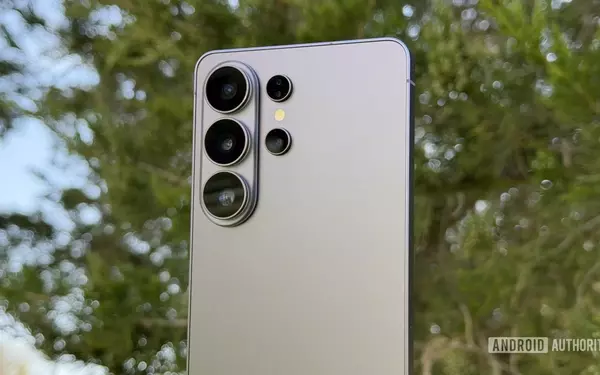
To facilitate this transition for buyers, manufacturers are aggressively expanding their incentive programs. Initiatives such as Samsung's enhanced Galaxy Forever program aim to reduce the initial financial burden of acquiring high-end hardware, allowing consumers to spread out costs over extended replacement cycles. While Apple and Samsung maintain their dominance in the high-end sector, collectively holding an 84% market share driven by popular models like the iPhone 17 and Samsung's Galaxy S26 Ultra, emerging competitors such as OPPO (with a 69% year-over-year growth for its Find X9) and vivo (experiencing a 20% growth with its X300) demonstrate a growing consumer willingness to invest in durable, high-quality phones.
The Evolving Smartphone Purchase Decision
This evolving market dynamic suggests that consumers who are contemplating stretching their budget for a higher-end smartphone are likely making a shrewd decision. With mid-range prices on an upward trajectory and manufacturers strengthening their financial support programs, opting for a flagship device could represent a more intelligent long-term investment rather than the extravagant expenditure it was once perceived to be. This shift redefines value in the smartphone landscape, prioritizing longevity, performance, and advanced features over initial cost savings that are increasingly negligible.