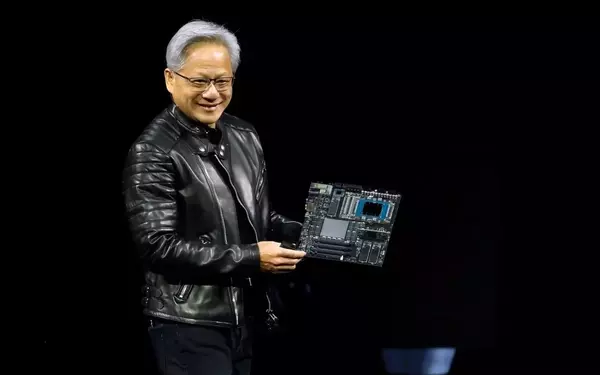
The burgeoning field of artificial intelligence is reshaping industries and personal lives through innovations in data processing, autonomous decision-making, and advanced analytics. At the heart of this transformation lies a network of interconnected technologies that rely heavily on robust infrastructure. Projections indicate that by 2030, there will be over 32 billion IoT-connected devices globally, up from 15.9 billion in 2023. While such rapid expansion offers immense opportunities, it also introduces challenges tied to energy consumption and heat generation. Efficient thermal management has thus emerged as a cornerstone for building a resilient and sustainable AI ecosystem.
As AI models grow more intricate, they place increasing demands on critical hardware components like GPUs and CPUs. These units process vast datasets at high speeds, but their heightened performance comes with elevated energy use and heat production. Excessive heat can compromise system efficiency, shorten hardware lifespans, and even lead to catastrophic failures. Such issues are particularly problematic in mission-critical environments like data centers and autonomous systems, where downtime could mean substantial financial losses or compromised data integrity. Addressing these concerns requires innovative solutions focused on maintaining optimal operating temperatures.
Silicone-based thermal materials have become indispensable in regulating component temperatures across various sectors, including cloud computing, telecommunications, and consumer electronics. These substances effectively dissipate heat, enabling next-generation technologies to operate efficiently while reducing overall energy expenditure. Furthermore, silicone’s durability ensures stability under extreme conditions, preserving flexibility across diverse temperature ranges. This characteristic makes it an ideal choice for applications requiring long-term reliability.
Looking ahead, the demand for cutting-edge AI technologies capable of delivering enhanced connectivity, power, and efficiency will only intensify. Manufacturers must prioritize integrating advanced thermal management strategies into their designs to ensure the sustainability and cost-effectiveness of AI infrastructure. By leveraging high-performance silicone thermal materials, we pave the way toward a stable, energy-efficient future for artificial intelligence.
In light of these advancements, fostering innovation in thermal regulation becomes crucial for sustaining progress in the AI domain. As industries continue to embrace increasingly complex systems, ensuring reliable thermal management will remain essential for optimizing performance and minimizing environmental impact. Through strategic investments in technology and material science, the potential of AI can be fully realized without compromising ecological balance or operational resilience.