The Houston Rockets' General Manager, Rafael Stone, recently opened up about the extensive and ultimately successful negotiation that brought superstar Kevin Durant to their roster. This intricate seven-team trade, a significant maneuver in the basketball world, required more than a year of persistent discussions and tough decisions for the Rockets' management.
Houston Rockets Secure Kevin Durant in Landmark Trade: A Detailed Look
In a candid discussion on ESPN Houston, as reported by HoopsHype, Rafael Stone, the insightful General Manager of the Houston Rockets, provided a rare glimpse into the prolonged and meticulous process that culminated in the acquisition of NBA titan Kevin Durant. Stone articulated that the pursuit of Durant was not a swift affair, but rather a strategic, year-long endeavor where the Rockets diligently assessed the asking price set by the Phoenix Suns. This dedicated and patient approach underscores the organizational commitment to securing top-tier talent.
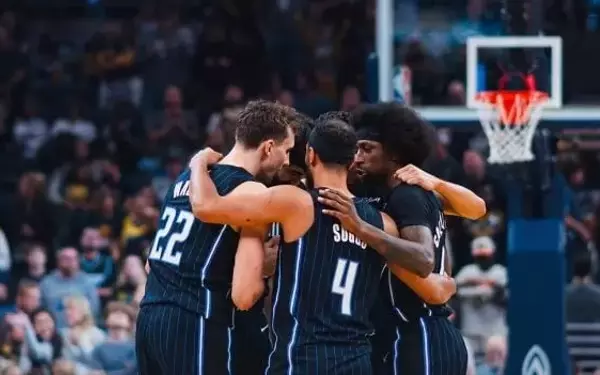
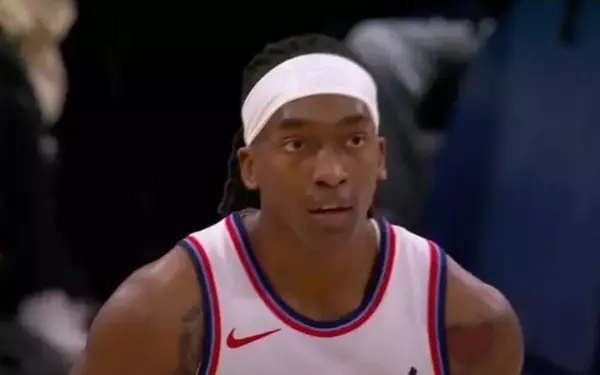
A pivotal aspect of this expansive transaction involved the departure of two significant Rockets players, Jalen Green and Dillon Brooks, who were integral to the team's promising performance in the preceding season. Stone acknowledged the inherent difficulty in parting ways with these athletes, commending their professional contributions and personal character. He highlighted their instrumental role in the team's impressive second-seed finish and their valiant efforts against a formidable Golden State squad, emphasizing the emotional weight of such strategic roster adjustments.
With the arrival of Durant, the Houston Rockets are poised for a formidable new chapter. The celebrated forward, who maintained an impressive average of 26.6 points per game in the last season, now joins a dynamic ensemble featuring the promising talents of Alperen Sengun and Jabari Smith Jr., alongside the seasoned presence of Fred VanVleet. Additionally, the trade brought Clint Capela, a formidable center known for his rebounding prowess and rim protection, further solidifying the team's frontcourt and augmenting their defensive capabilities. This bolstered roster, coming off a commendable 52–30 record last season, clearly signals Houston's immediate ambition to ascend to championship contention.
Conversely, for the Phoenix Suns, this multi-faceted trade represented a deliberate recalibration. By acquiring Jalen Green, Dillon Brooks, and a collection of emerging talents, including Khaman Maluach and Rasheer Fleming, the Suns have strategically positioned themselves for a comprehensive rebuilding phase, focusing on nurturing a youthful core for future success. Stone concluded his reflections by affirming that while the Rockets are undeniably enthusiastic about Durant's presence, the essence of this trade transcends mere celebration; it is fundamentally about meticulously sculpting a team designed for enduring and sustained excellence in the fiercely competitive landscape of the NBA.
From a spectator's standpoint, this trade exemplifies the intricate chess game that is NBA management. It underscores the delicate balance between immediate championship aspirations and long-term team building. While the acquisition of a superstar like Kevin Durant undeniably elevates a team's status and chances, the willingness to part with promising young talent and the patient, year-long negotiation process reveal the strategic depth required to navigate the modern basketball landscape. This move by the Rockets could well be a blueprint for other teams aiming to accelerate their rebuild into contention, showcasing that calculated risks and arduous negotiations can yield transformative results.