Samsung's new Galaxy XR headset represents a significant leap in extended reality technology, blending impressive real-time spatialization with an integrated Gemini AI layer. Priced at $1,799, this device aims to challenge other premium offerings in the market, providing users with an immersive and responsive experience powered by Google's Android XR operating system. However, beyond its immediate capabilities, this headset appears to be a pivotal step towards the future of personal computing: compact, AI-driven smart glasses. It embodies a duality, offering deep immersion while simultaneously highlighting the potential for more accessible and integrated augmented reality experiences.
A notable aspect of the Galaxy XR headset is its ability to seamlessly merge digital content with the real world through its advanced passthrough mode. This feature, combined with the refined Gemini AI, creates a compelling vision of ambient, contextual computing. While the headset delivers a powerful immersive experience, its physical form factor underscores the potential for smart glasses to offer similar, albeit less obtrusive, functionalities. The current design of XR headsets, while technologically advanced, may not be suitable for everyday use in public settings, suggesting a natural evolution towards lighter and more discreet wearable technology.
The Evolution of XR Technology: From Prototype to Product
The Samsung Galaxy XR headset has undergone a remarkable transformation from its early prototype phase, internally known as Project Moohan, into a polished and fully functional device. Initial impressions of the prototype highlighted its premium build quality and exceptional passthrough camera clarity, setting a high standard for mixed reality experiences. Over the past year, significant refinements have been made, particularly in the software experience, leading to a more seamless integration of digital and physical environments. The 4K-per-eye view now offers a natural and lifelike representation of the real world, with virtual elements accurately anchored in space, creating a believable blend of realities.
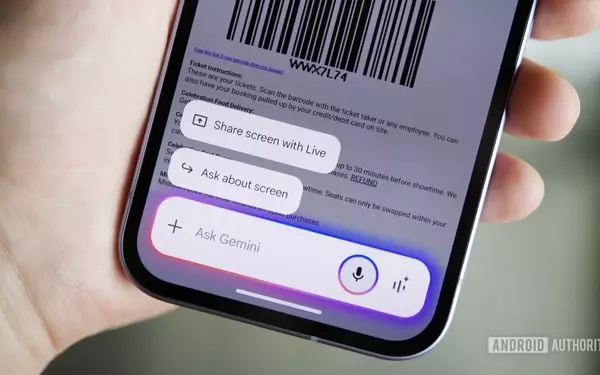
This evolution also saw improvements in the Gemini AI layer, which transitioned from a promising but sometimes hesitant prototype to a more refined and integrated component of the Galaxy XR. The AI now functions as an efficient co-pilot, handling OS-level tasks, app launches, and even object recognition through its "circle to search" feature. While some processing still occurs in the cloud, the on-device AI capabilities demonstrate a clear direction towards a future where AI acts as the primary interface for digital interaction. The enhanced passthrough and integrated AI collectively define a new benchmark for personal computing, paving the way for advanced smart glasses that can provide similar contextual awareness in a more portable form factor.
Bridging Immersion and Utility: The Future of Wearable AI
The core distinction between large XR headsets and future AI glasses lies in their primary function: immersion versus utility. Devices like the Samsung Galaxy XR headset excel at creating deeply immersive experiences, allowing users to delve into augmented realities that overlay digital content onto their physical surroundings. This capability was vividly demonstrated through features such as AI-colorized spatial videos, which transform old black-and-white photos into dynamic, lifelike memories. While current real-time spatialization features may still exhibit minor imperfections, the potential for deeply engaging content consumption is immense, offering a unique benefit that smaller smart glasses cannot fully replicate.
However, the large form factor of current XR headsets limits their practical application in everyday scenarios. The article posits that while these headsets provide a powerful argument for ambient, contextual computing, their design makes them unsuitable for use in public spaces, such as city streets. This limitation positions the Galaxy XR as a "gateway device," a stepping stone towards more accessible and discreet AI and XR-driven glasses. The seamless integration of Gemini AI with high-quality passthrough mode establishes a clear pathway for this transition, as it brings intelligence and context to the real world through a wearable interface. This dual role of immersion and utility, with Gemini bridging the gap, offers Samsung and Google a strategic advantage in shaping the future of wearable technology.