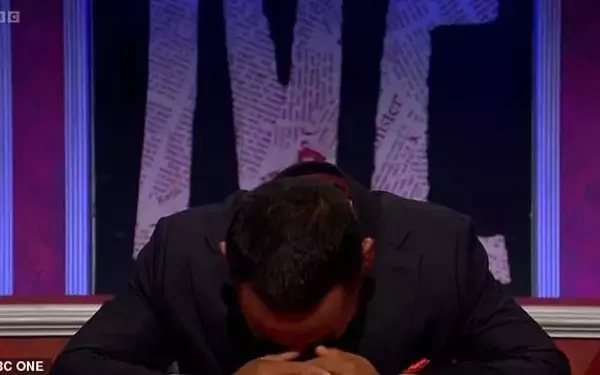
A recent episode of a prominent celebrity reality competition has sparked significant controversy, with viewers and even a past participant raising concerns about alleged sexism and unconscious bias in the show's elimination process. The debate gained traction after a male contestant, dubbed the 'Traitor', was granted a deciding vote to banish either of two female contestants, reigniting discussions on the apparent pattern of female participants being disproportionately removed from the competition. This incident follows prior accusations of racial and class-based biases, prompting a broader conversation about fairness and representation within the program, despite the production team's stated commitment to casting a diverse array of individuals.
The controversy surrounding the show's elimination dynamics highlights deeper societal issues of unconscious bias, where established patterns of behavior and perception can inadvertently influence outcomes. The digital backlash, particularly from female viewers, points to a broader recognition of these biases, reflecting similar experiences many women encounter in their professional lives. While some argue that such claims are overstated, the consistent observation of these trends within the show suggests a need for more critical examination of how biases, even when unintentional, can shape competitive environments.
Gender Disparity in Eliminations
The latest installment of the celebrity reality contest has ignited a fierce debate over gender bias, as viewers have pointed out a stark imbalance in eliminations. Of the six participants removed so far, only two were male, while four were female. The climax of the most recent episode, where a male player held the sole power to decide the fate of two female contestants, further fueled public outcry. Social media platforms were abuzz with comments from frustrated fans who felt that the show was showcasing a pattern of men disproportionately targeting women, mirroring real-world workplace dynamics.
This perceived gender imbalance has led to considerable discussion among the show's audience, with many drawing parallels between the on-screen dynamics and prevalent societal issues. Viewers highlighted that the male contestants who were banished had either openly admitted their roles as 'Traitors' or had expressed a desire to be recruited by them, suggesting that their removals were not based on strategic gameplay but rather on self-disclosure. In contrast, female participants, despite demonstrating strong strategic skills, appeared to face heightened scrutiny and were more frequently nominated for banishment. This pattern has prompted accusations that the show inadvertently reflects and amplifies existing gender biases, where women's contributions might be undervalued or viewed with suspicion, impacting their progression in the competition.
Unconscious Bias and Broader Social Commentary
Beyond the immediate gender debate, the reality show has also faced renewed scrutiny regarding its broader impact on highlighting unconscious biases, including racial and class-based prejudices. A former contestant, Myha'la, previously acknowledged that while her banishment wasn't a conscious act of racism from her co-stars, the game's environment often brought out inherent racial and cultural biases. She suggested that her authentic expressions were sometimes perceived as suspicious by those unfamiliar with individuals from her background, an observation that resonates with many viewers who have observed similar patterns of microaggressions toward contestants of color.
Myha'la's reflections have prompted calls for the show to foster greater awareness and conversation around unconscious bias, an issue that show producers reportedly found bewildering given their efforts to create a diverse cast. With nearly 30% of the current season's contestants being people of color, and an almost equal gender split, coupled with LGBTQ+ representation, the production team aimed to present an inclusive lineup. However, the recurring accusations underscore that diversity in casting alone does not eradicate ingrained biases in perception and interaction. The show's platform, therefore, unintentionally serves as a microcosm of society, prompting important discussions about how subtle biases can influence judgments and decisions in competitive and social settings.