The year 1991 marked a defining moment in India's history, characterized not only by an economic crisis but also by a profound sense of national humiliation. During this period, India was compelled to resort to drastic measures, such as mortgaging its gold reserves and opening its economy under terms dictated by Western powers. In exchange for financial aid from institutions like the IMF and World Bank, India had to accept conditions that felt akin to surrendering sovereignty. Fast forward to today, and the irony is palpable as the United States, once the champion of globalization, now adopts protectionist policies under President Trump’s administration. This shift has led to significant market instability, eroding trust in traditionally reliable financial instruments like US Treasury bonds.
In 1991, India faced immense pressure to reform its economy, but the manner in which these changes were imposed left a lasting impact on the nation's pride. While many of the reforms themselves were overdue and beneficial, the way they were executed highlighted a power imbalance. Contrastingly, the current situation sees the US imposing tariffs globally, leading to widespread unease. The recent fluctuations in US Treasury bond yields indicate growing concerns about the stability of the American economy. Investors are increasingly questioning whether the US remains a secure anchor for global finance, particularly amidst Trump's unpredictable trade policies.
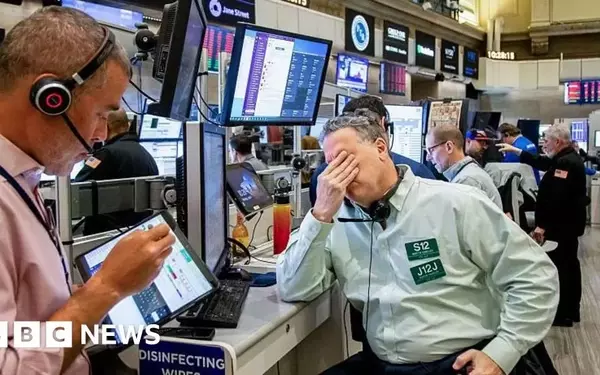
President Trump's aggressive tariff strategies have triggered chaos in international markets. His actions have caused sharp rises in bond yields, reflecting investor anxiety. For instance, the yield on the 10-year US Treasury bond recently surged to unprecedented levels, alarming both domestic and international stakeholders. This volatility has prompted some investors to reconsider their reliance on US financial instruments. Hedge funds, typically reliant on stable government bonds, are now experiencing difficulties due to the uncertainty surrounding these assets. As a result, there is a noticeable sell-off of US Treasuries, further exacerbating market instability.
India, being a substantial holder of US Treasury securities, is significantly affected by these developments. With investments exceeding $200 billion, any fluctuations in the value of US bonds directly impact India's foreign exchange reserves and economic stability. Moreover, China's potential decision to sell a portion of its extensive holdings could introduce additional complications into the global financial system. Such a move might lead to increased borrowing costs for the US, higher interest rates, and broader economic repercussions worldwide. However, it would also pose risks to China, including financial losses and currency appreciation issues.
Beyond immediate market reactions, the erosion of trust in US Treasury bonds symbolizes a larger shift in global economic dynamics. Historically viewed as the safest investment option, these bonds are now subject to scrutiny and doubt. Rising borrowing costs for the US government could have far-reaching implications, affecting everything from mortgage rates to public spending. Despite these challenges, President Trump persists with his tariff-centric approach, disregarding international norms and escalating tensions with trading partners. Meanwhile, the world watches as the US navigates this period of fragility, reminiscent of India's experience decades ago yet driven by different factors.
As the global financial landscape evolves, the interplay between political decisions and economic stability becomes increasingly evident. What began as a series of tariff impositions has spiraled into a complex web of market uncertainties and shifting alliances. The resilience demonstrated by India in the face of adversity in 1991 serves as a powerful reminder of the importance of strategic vision and adaptability in navigating turbulent economic times. Today, the challenge lies in restoring confidence in the global financial system, ensuring that all nations can thrive amidst changing dynamics.