Google is rolling out a sophisticated enhancement for its Pixel series, focusing on a more intelligent Always-on Display (AOD). This upcoming feature, discovered in the latest Android Canary build, is designed to automatically deactivate the display when the device remains untouched for an extended period, thereby optimizing power consumption. This development signifies Google's commitment to offering Pixel users enhanced control over their device's functionalities, moving beyond the basic on/off setting currently available for the AOD.
Currently, the Always-on Display on Pixel devices provides immediate access to information like time and notifications but lacks advanced customization, often leading to unnecessary battery drain. Unlike some competitors that allow scheduling or dynamic adjustments based on ambient conditions, Pixel phones have been limited to a binary AOD state. This meant that the display would remain active even when the phone was left unattended for hours, such as on a desk, until a scheduled Bedtime Mode might intervene.
The new functionality, referred to in the Android code as \"turn off display on inactivity,\" aims to address this limitation. While the specific metrics Android will use to determine \"user activity\" or the duration of inactivity required to trigger the power-down remain undefined, the intention is clear: to conserve battery life without sacrificing the convenience of glanceable information. This intelligent adjustment will allow the AOD to function more efficiently, only activating when genuinely needed.
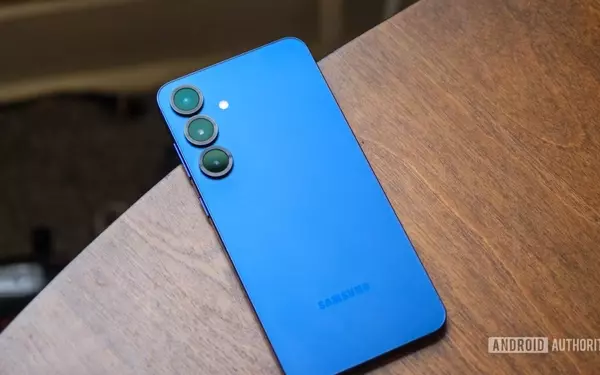
Drawing parallels with existing implementations, Samsung phones, for instance, offer an \"auto\" AOD option that intelligently disables the display when the device is face down, in a dark environment, or if it detects the user is asleep. Pixel devices already utilize proximity sensors to turn off the AOD when in a pocket or face down, but the upcoming update suggests a more comprehensive approach to inactivity detection. This could involve analyzing various user interaction patterns to make a more informed decision about when to switch off the display.
This initiative represents a significant step towards a more user-centric and power-efficient design for Pixel phones. Following the introduction of AOD wallpaper support on the Pixel 10 series, this new power-saving option further enhances the customization and practical utility of the Always-on Display. It is anticipated that these intelligent power management features will extend beyond new Pixel models, becoming available to existing devices as well, ensuring a broader user base benefits from these advancements.