Space Exploration Technologies, widely known as SpaceX, has navigated a turbulent stock market journey since its initial public offering in June. After initially soaring past the $200 mark, its shares have since retreated to approximately $108 as of July 31. The inherent unpredictability associated with this capital-intensive, yet currently unprofitable, enterprise was anticipated by many investors, and this volatility shows no signs of abating. Wall Street experts, in their latest assessments, foresee substantial price movements for SpaceX's stock leading up to the middle of 2027, basing their projections on various price targets.
Detailed Investment Analysis and Future Projections for SpaceX
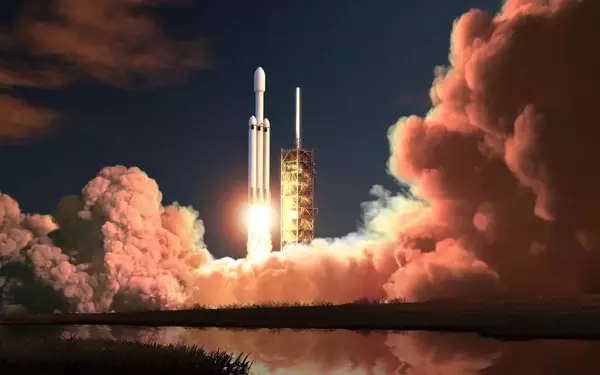
Among a cohort of 37 Wall Street analysts, the average price target for SpaceX's stock is set at $225 per share. This forecast implies that an investment made today could potentially more than double its value by mid-2027. This optimistic outlook stems from several key strengths of SpaceX, including its dominant position in space launch technology, a leadership role that is not expected to be challenged by rivals in the near future. This competitive edge allows SpaceX to conduct rocket launches more frequently and at a lower cost, which is crucial for scaling its Starlink telecommunications division—a sector where many other satellite companies have encountered difficulties. Furthermore, analysts are particularly enthusiastic about SpaceX's endeavors into developing orbital data centers, viewing this as a venture with an enormous total addressable market. The company has already demonstrated its capability to leverage demand for AI computing through its terrestrial data centers, securing deals with entities like Anthropic and Alphabet even before its IPO.
However, it is crucial to temper this enthusiasm with a degree of skepticism. Sell-side analysts are typically known for their bullish tendencies. Moreover, a number of these price targets originate from investment banks that were instrumental in underwriting SpaceX's IPO. While their analytical work is formally distinct from their underwriting activities, it is difficult to entirely dismiss the potential for their employers' involvement in the IPO to subtly influence their evaluations. Therefore, the median price target should be considered with a critical perspective.
The question of whether SpaceX's stock can genuinely double by the following year remains a complex one. While the target of $225 or more by mid-2027 is theoretically achievable, especially considering its brief ascent to that level in June, several countervailing forces are at play. A primary concern is the series of lockup expirations that will introduce additional shares into the market. SpaceX's IPO involved less than 5% of its total shares, with the majority held by insiders and early investors. Given the company's substantial increase in valuation over recent years, these early investors will be free to sell their holdings once their lockup periods conclude. The first major opportunity for pre-IPO shareholders to divest their stock is scheduled for August 6, just two days after SpaceX's initial earnings report. This lockup expiration could prove to be a more significant challenge than the earnings announcement itself, as the market's capacity to absorb a sudden influx of shares will be tested. More lockup expirations are anticipated in the ensuing months, with select investors and Elon Musk himself having lockups extending until mid-2027. This continuous potential selling pressure could exert a dampening effect on the stock price throughout the coming year. Additionally, the company's valuation remains a point of contention. Despite the post-IPO price decline, SpaceX shares are still trading at approximately 75 times sales (the price-to-sales ratio being the relevant metric due to its unprofitability). Although analysts anticipate a significant revenue boost from leasing compute capacity to companies like Anthropic and Alphabet, the stock's valuation is still considered quite high. Finally, SpaceX's ongoing need to raise capital could cast a shadow over its stock performance. Morgan Stanley projects that the company will not achieve positive free cash flow until 2035, estimating that it will require approximately $700 billion in capital before reaching that milestone. This reliance on the debt market for future capital raises means that any increase in interest rates could elevate the cost of capital, further pressuring the stock price. Ultimately, while the optimism surrounding SpaceX's future is understandable, a cautious approach is warranted, even with Elon Musk's impressive track record.