Unlock Optimal Returns by Mastering the Art of Portfolio Allocation
In today’s volatile financial landscape, crafting a resilient fixed-income strategy requires an in-depth understanding of central bank policies, inflationary pressures, and geopolitical dynamics. Investors must navigate these complexities to ensure their portfolios remain robust against potential headwinds.
Central Bank Dynamics: The Balancing Act
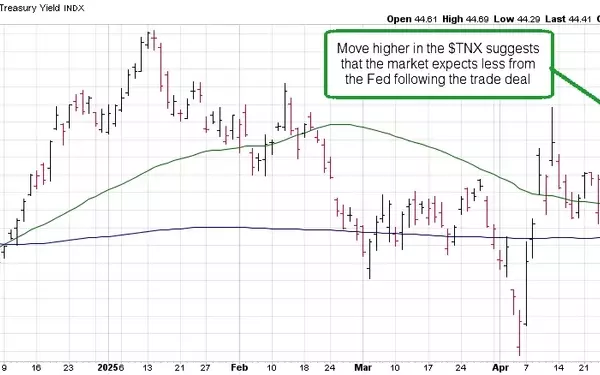
The Federal Reserve's cautious stance reflects its dual mandate of maintaining price stability and fostering full employment. By signaling minimal intervention, the Fed aims to provide clarity amidst uncertainty. However, external factors such as tariffs pose significant challenges. These trade measures can exacerbate inflationary pressures, complicating the Fed's mission to achieve balanced economic growth. Consequently, policymakers find themselves navigating uncharted waters where both inflation and employment outcomes hinge on unpredictable variables.
This delicate equilibrium has profound implications for investors. As the Fed monitors inflation levels closely, any deviation from target rates could prompt swift policy adjustments. For instance, should tariffs lead to sustained price increases, the central bank might reconsider its accommodative posture. Similarly, retaliatory actions that disrupt labor markets could force the Fed to recalibrate its monetary approach. Thus, staying informed about evolving macroeconomic indicators becomes paramount for successful portfolio management.
Optimal Positioning Along the Yield Curve
To mitigate risks associated with fluctuating interest rates, experts recommend focusing on intermediate-duration securities. This strategic positioning offers several advantages. Firstly, it provides adequate yield compensation without exposing investors to extreme volatility at either end of the spectrum. Secondly, it allows flexibility in response to changing Fed policies. Should the central bank opt for rate cuts later this year, those positioned within the five-to-seven-year range would benefit from reinvestment opportunities without compromising overall portfolio stability.
Moreover, prioritizing high-quality credits further enhances resilience. Lower-rated instruments may suffer disproportionately during periods of economic slowdown triggered by tariff-induced disruptions. By concentrating on safer assets, investors safeguard their portfolios against adverse market movements while capitalizing on favorable conditions when they arise. This disciplined approach ensures long-term sustainability even amid short-term turbulence.
Economic Risks and Their Impact on Investment Decisions
Potential repercussions of escalating trade tensions extend beyond immediate fiscal concerns. A protracted tariff dispute could precipitate a broader economic deceleration, affecting various sectors differently. Industries heavily reliant on international trade may experience contraction, whereas domestically oriented enterprises might remain relatively insulated. Understanding these differential impacts enables astute investors to allocate resources strategically across asset classes.
Furthermore, assessing credit quality becomes increasingly critical under such scenarios. Companies operating in vulnerable industries may struggle to meet debt obligations if revenue streams dwindle due to reduced demand or higher input costs. Conversely, firms with strong balance sheets and diversified operations stand better positioned to weather storms. Incorporating these considerations into decision-making processes empowers investors to construct portfolios capable of thriving regardless of external shocks.
Adapting Strategies to Evolving Market Conditions
Ultimately, success in fixed-income investing hinges on adaptability. As new information emerges regarding Fed intentions, inflation trajectories, and geopolitical developments, investors must remain vigilant and responsive. Regularly reviewing portfolio compositions ensures alignment with shifting priorities and objectives. Engaging with expert insights and leveraging advanced analytical tools facilitates informed choices tailored to individual risk appetites and return expectations.
In conclusion, embracing a proactive mindset equips investors to seize opportunities presented by dynamic market environments. By adhering to sound principles and continuously refining approaches, one can achieve optimal outcomes in the realm of fixed-income investments.