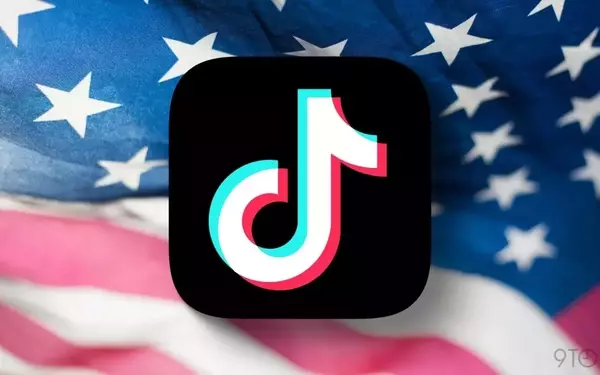
TikTok's journey in the U.S. has been fraught with challenges over the past four years, primarily due to worries about user data accessibility by the Chinese government. The social media giant, owned by ByteDance, recently experienced a brief shutdown in the U.S., causing widespread apprehension among its millions of users before services were quickly reinstated. This event underscored the volatile nature of the platform's presence in the American market. Industry experts, such as Angelo Zino of CFRA Research, estimate that if TikTok's U.S. operations were to be sold, its valuation could reach a staggering $60 billion, attracting a diverse array of potential buyers.
The regulatory landscape for TikTok has been particularly turbulent, marked by a series of governmental actions and shifting political stances. The initial attempt to ban transactions with ByteDance in 2020 by the Trump administration evolved into a mandate for TikTok's U.S. segment to be sold to an American entity. This directive was met with legal challenges, temporarily halting the ban's enforcement. The saga continued into the Biden administration, culminating in the U.S. House and Senate passing a bill that would force a sale or ban of TikTok, which President Biden subsequently signed. In a surprising turn, former President Trump, who had initially pushed for the ban, later opposed it, advocating for a 50-50 ownership split between ByteDance and a U.S. company. Recently, a \"framework\" deal has reportedly been established between the U.S. and China, suggesting a consortium including Oracle, Silver Lake, and Andreessen Horowitz might oversee the app's U.S. operations.
As the future of TikTok in the U.S. hangs in the balance, numerous groups and companies have expressed interest in acquiring its American business. \"The People's Bid for TikTok,\" spearheaded by Project Liberty founder Frank McCourt, aims to ensure user privacy and data control through an open-source approach, drawing support from figures like Reddit co-founder Alexis Ohanian and World Wide Web inventor Tim Berners-Lee. Another American investor consortium, led by Jesse Tinsley of Employer.com, has made a $30 billion all-cash offer, with notable participants including Roblox co-founder David Baszucki and YouTube star MrBeast. Other interested parties range from tech giants like Amazon and Microsoft (which previously bid for TikTok) to specialized firms like AppLovin and Perplexity AI, alongside individuals such as former Activision CEO Bobby Kotick and former Treasury Secretary Steven Mnuchin. The coming weeks are anticipated to bring clarity to this complex and high-stakes negotiation, shaping the future of a dominant social media platform in one of its largest markets.
The unfolding events surrounding TikTok in the U.S. serve as a compelling illustration of the intricate relationship between technology, commerce, and national interests. This situation underscores the critical importance of balancing innovation with security, privacy, and economic considerations in a globally interconnected world. The pursuit of a resolution, while challenging, reflects a broader commitment to ensuring a fair and secure digital environment for users and businesses alike.