A New Era: The Timberwolves' Golden Age of Basketball Excellence
Forging a Path to Contention: Immediate Success Meets Future Vision
The Minnesota Timberwolves have masterfully balanced the demands of immediate competitiveness with the foresight of long-term team building. This strategic approach has propelled them to consecutive appearances in the Western Conference Finals, a testament to their present capabilities, while simultaneously fostering a dynamic and promising young core for the seasons ahead.
Nurturing Tomorrow's Stars: A Deep Bench of Youthful Potential
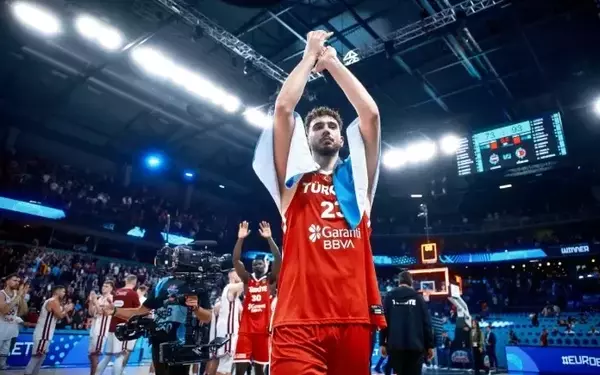
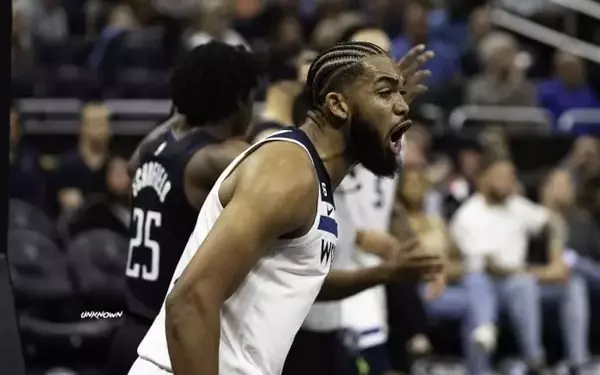
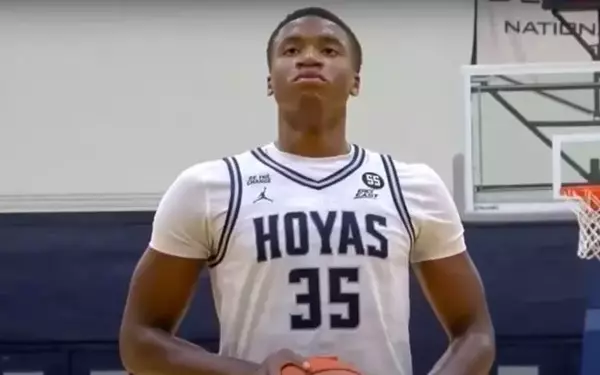
At the heart of this burgeoning era is Anthony Edwards, leading a vibrant group of emerging talents. This includes pivotal contributors such as Naz Reid, Jaden McDaniels, Joan Beringer, Terrence Shannon Jr., and Rob Dillingham, all of whom are 26 years old or younger. This youthful composition not only signifies immense potential for development but also provides the team with significant flexibility in shaping its future roster.
The Dawn of a Golden Era: Analysts Recognize a Unique Trajectory
Jon Krawczynski of The Athletic has notably characterized this period as the 'Golden Age' for Timberwolves basketball. His analysis highlights the rare and effective blend of high-level playoff competitiveness with a sustained commitment to developing young players. This unique combination sets the franchise apart, demonstrating that winning in the present does not have to come at the expense of investing in the future.
New Leadership, Enduring Momentum: A Strong Foundation for Owners
New owners Alex Rodriguez and Marc Lore have taken the helm of a franchise in an enviable position. They inherit a team that is not only primed for playoff challenges but also structured to evolve and flourish organically over the coming years. This robust foundation provides a clear pathway for continued growth and strategic decision-making.
Strategic Decisions Ahead: Sustaining Dominance and Flexibility
While the Timberwolves possess a formidable foundation, the journey ahead will involve crucial decisions. These include optimizing player rotations, managing contracts, and exploring potential roster enhancements. Nevertheless, the existing framework is sufficiently strong to ensure the team remains a consistent contender, continues to develop its promising young athletes, and retains the flexibility to attract additional high-impact players, establishing a blueprint that many other franchises would aspire to emulate.