Trump's Economic Tightrope: Balancing Tariffs and Soaring Debt
·5 min read
Advertisement
The intersection of rising bond yields and escalating government expenditure under the Trump administration has sparked significant concern in financial circles. As the annual interest bill edges toward a staggering trillion-dollar mark, questions about fiscal responsibility and economic stability have taken center stage. This article delves into the complexities surrounding President Trump’s economic policies and their implications for global markets.
Global Markets on Edge: The Fragility of Financial Confidence
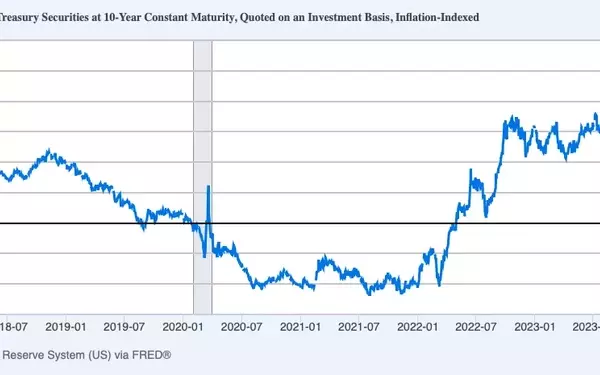
The current economic landscape is characterized by an uneasy tension between political ambition and market volatility. Investors are increasingly wary of the long-term ramifications of President Trump's aggressive tariff strategies, which appear to unsettle both domestic and international stakeholders. Recent fluctuations in bond yields underscore the precarious nature of this financial dance.The interplay between tariff announcements and bond performance has become a recurring theme in financial news. Each time tariffs are proposed, there is a noticeable spike in bond yields, followed by a retreat when these measures are paused. This pattern suggests that investors perceive such actions as destabilizing forces capable of undermining confidence in U.S. fiscal policy. Moreover, the simultaneous decline of both the U.S. dollar and bonds indicates a broader loss of faith among global investors. Typically, higher bond yields bolster currency strength; however, recent trends reveal a divergence from this norm. Analysts attribute this anomaly to growing skepticism about the sustainability of the Trump administration's economic agenda, particularly its disregard for fiscal discipline.
Fiscal Policy Under Scrutiny: A Closer Look at Spending Patterns
President Trump's approach to fiscal management has drawn criticism for prioritizing short-term gains over long-term stability. His administration's penchant for expansive spending initiatives, coupled with tax cuts, has widened the federal deficit significantly. Moody’s recent decision to lower the U.S. credit rating highlights concerns regarding increased federal outlays and diminished revenue streams.This downgrade serves as a stark warning of the potential consequences of unchecked fiscal policies. The "big, beautiful bill" currently making its way through legislative channels exemplifies this trend. Experts estimate that this legislation could necessitate additional borrowing in the range of $3 trillion to $4 trillion over the next decade. Such figures paint a troubling picture of an economy teetering on the brink of insolvency.Furthermore, the escalating cost of servicing national debt looms large. Projections indicate that federal expenditures on interest payments may surpass critical budgetary allocations, including defense and Medicaid. This trajectory raises alarm bells about the feasibility of maintaining essential public services amidst burgeoning debt obligations. The specter of an annual interest burden approaching $1 trillion underscores the urgency of addressing these fiscal imbalances.
Comparative Analysis: Lessons from Global Economic Crises
History provides valuable insights into the dangers of neglecting fiscal prudence. The case of former British Prime Minister Liz Truss offers a cautionary tale of how ill-conceived economic policies can lead to rapid downfall. Her brief tenure was marked by chaotic responses to her mini-budget, which included unfunded tax cuts. The subsequent backlash from bond markets not only curtailed her political career but also highlighted the formidable influence wielded by global financial institutions.Similarly, the United States must confront the reality that even its robust economy and status as holder of the world's reserve currency cannot insulate it from the repercussions of reckless fiscal behavior. While bankruptcy or severe debt crises akin to Greece's remain unlikely scenarios, the erosion of investor confidence poses tangible risks. Bond markets, known for their demanding nature, have already demonstrated their capacity to thwart presidential ambitions twice during the tariff saga. Continued degradation of America's creditworthiness could further jeopardize the viability of the Make America Great Again (MAGA) economic blueprint.
Market Dynamics and Investor Sentiment: Navigating Uncertain Waters
Understanding the mechanics driving bond market reactions requires examining the intricate relationship between investor sentiment and macroeconomic indicators. Rising yields signal heightened risk perception, prompting investors to demand greater returns for holding U.S. Treasuries. Conversely, falling yields reflect optimism or reduced uncertainty, often linked to positive economic data or reassuring policy shifts.In the context of the Trump administration, the seesaw effect of tariff announcements and subsequent pauses illustrates the volatility inherent in contemporary market dynamics. Each iteration of this cycle chips away at investor confidence, fostering an environment where caution prevails over bold investment decisions. Additionally, the ruling by the U.S. Court of International Trade questioning the legality of certain tariffs adds another layer of complexity to the situation.As we navigate these uncertain waters, it becomes imperative to consider alternative strategies that prioritize sustainable growth and fiscal accountability. By adopting more balanced approaches to economic governance, policymakers can help restore trust in financial markets and ensure a stable foundation for future prosperity.