In recent weeks, the U.S. bond market has reflected growing concerns about the nation's economic future. Investors are increasingly wary of the impact of President Trump's policies, particularly his approach to tariffs and federal workforce reductions, which have introduced significant uncertainty into the economic outlook. Since mid-February, there has been a notable shift in investor sentiment, with a surge in demand for short-term Treasury bonds, leading to a decline in two-year yields. This change suggests that investors are preparing for the possibility of interest rate cuts by the Federal Reserve as early as May, in response to potential economic challenges. The rapid transition from optimism to apprehension highlights the unpredictable nature of current economic conditions.
Bond Market Reflects Shifting Economic Sentiment
In the midst of a golden autumn, the U.S. financial landscape has taken an unexpected turn. Since mid-February, the bond market has witnessed a dramatic shift in investor behavior. Previously optimistic about the country's economic resilience, investors are now expressing growing concerns over the direction of the economy. A key factor behind this change is the escalating trade tensions initiated by the administration's tariff policies. These measures have not only disrupted global supply chains but also raised fears of another inflation shock, further complicating the economic outlook.
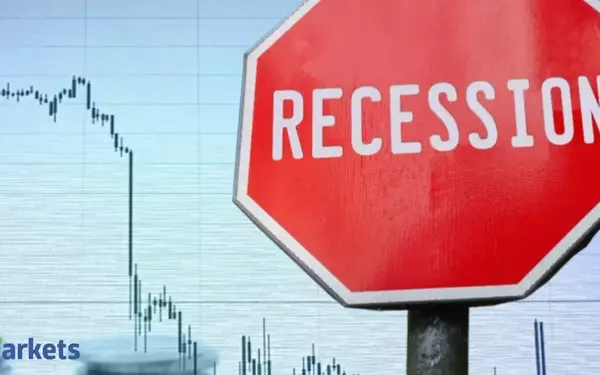
The market's reaction has been swift. Investors have flocked to short-term Treasury bonds, driving down yields on two-year notes. This movement signals a belief that the Federal Reserve may need to intervene by cutting interest rates as early as May to prevent further economic deterioration. Experts like Gennadiy Goldberg from TD Securities have noted the sudden shift in sentiment, emphasizing how quickly the conversation has moved from discussing economic acceleration to raising concerns about a potential recession.
Tracy Chen, a portfolio manager at Brandywine Global Investment Management, pointed out that the sequence of policy decisions—starting with tariffs and followed by tax cuts—has elevated recession risks. The uncertainty surrounding these policies has led to a more cautious approach among investors, who are now closely monitoring any signs of economic weakness.
The bond market's response serves as a barometer for broader economic health. It underscores the growing unease over the administration's policies and their potential to disrupt global markets. As the situation unfolds, the Federal Reserve's next steps will be crucial in determining whether these concerns can be mitigated or if they signal deeper challenges ahead.
From a journalistic perspective, this development highlights the delicate balance between policy decisions and market reactions. The bond market's sensitivity to political and economic shifts underscores the importance of thoughtful policymaking. While the immediate focus is on potential interest rate cuts, the long-term implications of these developments could shape the trajectory of both the U.S. and global economies. Investors and policymakers alike must remain vigilant in navigating this period of uncertainty.