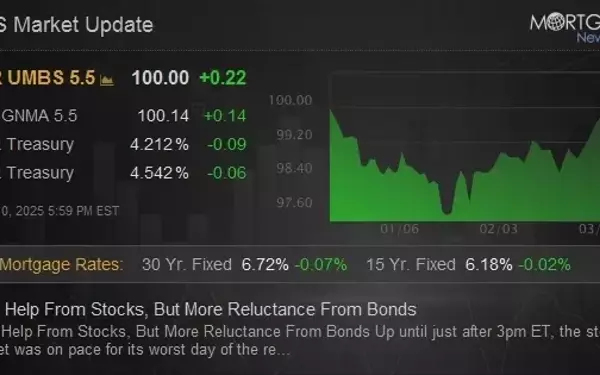
In recent developments, the U.S. bond market is reflecting increasing concerns about the potential stagnation of the economy. Initially, investors anticipated that the policies of former President Donald Trump would stimulate economic growth and maintain elevated Treasury yields. However, within a short period of his presidency, optimism has shifted to apprehension. Traders are now favoring short-term Treasuries, leading to a decline in two-year yields since mid-February. This change suggests that the Federal Reserve might cut interest rates as early as May to mitigate an economic downturn. The shift from anticipation to recession worries marks a significant reversal for the Treasuries market, which had previously shown resilience despite global economic challenges.
Market Dynamics and Policy Impact
In the midst of a golden autumn, bond traders have been navigating through unprecedented uncertainty. As the administration's trade policies intensified, concerns over inflation and disruptions in global supply chains have risen. These factors contributed to a stock market selloff last week, despite temporary relief measures like delaying tariff hikes on Mexico and Canada. Moreover, budget cuts and workforce reductions by the administration have added to the economic instability. Investors, once optimistic about stronger growth and higher inflation, now find themselves questioning the future direction of the economy. The rapid shift in sentiment has pushed traders towards short-term bonds, driving down two-year yields and raising fears of a yield curve inversion—a historically strong indicator of an impending recession.
From a broader perspective, this situation presents significant risks for bond traders. Lower yields reduce returns on investments, especially for those holding long-term Treasuries. An inverted yield curve further increases market volatility and uncertainty. Additionally, the administration's policies introduce instability, making it challenging to predict future interest rate movements. Aggressive Fed intervention could also hurt bond portfolios, particularly for securities with higher yields. Traders now face a complex dilemma between the risk of inflation eroding real returns and a slowdown reducing demand for riskier assets.
The evolving landscape underscores the delicate balance between economic stimulus and stability. For bond traders, the current environment requires a cautious approach, balancing the need for liquidity with the potential for lower returns. As the market continues to adjust to new realities, the focus will remain on how policymakers respond to these challenges and whether they can navigate the economy through uncertain times.