U.S. Credit Rating Takes a Hit: What It Means for the Economy and Consumers
·5 min read
Advertisement
The United States has experienced another credit rating downgrade, this time from Moody’s Ratings, which lowered its assessment from Aaa to Aa1. This move follows similar actions by other major agencies in recent years. The implications of this shift could be significant for both the government and everyday citizens as borrowing costs may rise amid growing fiscal concerns.
Understanding the Downgrade's Impact on Borrowing Costs
The decision by Moody’s reflects deepening worries about unsustainable federal debt levels and mounting interest payments. As the U.S. grapples with these challenges, consumers might soon feel the pinch through higher borrowing rates.
Rising Debt Concerns Trigger Rating Adjustment
For decades, the U.S. maintained an unblemished top-tier credit score, symbolizing financial stability and reliability. However, recent trends have painted a troubling picture. Federal deficits have surged dramatically due to escalating expenditures coupled with diminished revenue streams resulting from tax cuts. These factors contributed heavily to Moody’s reevaluation.In particular, legislative proposals such as the latest GOP tax plan anticipate adding approximately $4 trillion to the national deficit within the next decade. Experts doubt whether these measures will significantly curb mandatory spending or reduce overall deficits. By 2035, projections indicate that federal deficits could swell to 9% of GDP, largely propelled by increasing interest obligations, expanding entitlement programs, and relatively stagnant income generation.Despite these alarming forecasts, Moody’s opted to adjust its outlook from negative to stable. This change underscores a belief that while risks persist, they remain balanced at the current rating level. Additionally, the agency acknowledges enduring economic strengths, including the vastness and adaptability of the American economy, alongside the dollar's dominance as the world's primary reserve currency.
Potential Ramifications for Financial Markets
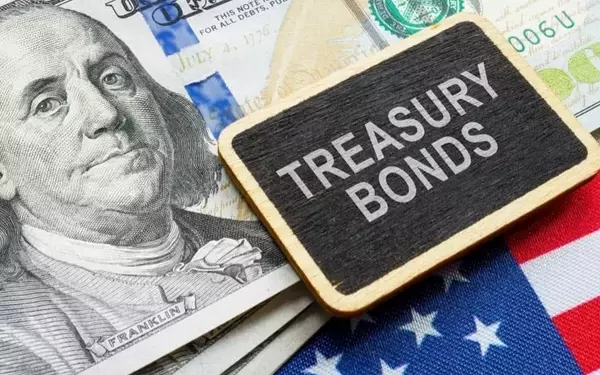
With the credit rating reduction, there is speculation regarding how markets will respond. Treasury bond yields could climb, thereby inflating governmental borrowing expenses and exacerbating the existing debt burden. Since Treasury bonds serve as benchmarks for various asset classes, such as long-term mortgages and corporate securities, increased rates would likely permeate throughout the financial system.James Humphries, Managing Partner at Mindset Wealth Management, opined that although immediate reactions to the downgrade appear muted, the broader consequences warrant attention. He emphasized that sustained fiscal expansion without credible strategies to stabilize indebtedness could ultimately impair economic flexibility and elevate borrowing costs over time.
Historical Context and Future Outlook
This development places the U.S. alongside other nations that have seen their creditworthiness questioned in recent years. Both Fitch Ratings and Standard & Poor’s previously downgraded America’s standing, reflecting ongoing fiscal irresponsibility. While Moody’s maintains confidence in the Federal Reserve's ability to navigate monetary policy effectively, it warns that future decisions must prioritize long-term solvency.As policymakers deliberate potential solutions, addressing the root causes of rising deficits becomes paramount. Balancing competing interests between cutting expenditures and enhancing revenues presents a formidable challenge. Nevertheless, restoring trust in the nation's fiscal health remains crucial for safeguarding economic prosperity and ensuring affordable borrowing options for all stakeholders involved.