On Thursday, U.S. Treasury yields experienced a downturn as investors reacted positively to President Donald Trump's decision to impose a 90-day tariff pause on the majority of countries, excluding China. This move reversed an earlier sharp decline in bond values. The relief was evident as the 10-year Treasury yield fell by more than 10 basis points to 4.288%, while the 2-year Treasury yield similarly dropped just over 10 basis points to 4.295%. Prior to this, on Wednesday, the 10-year Treasury had reached its highest point at over 4.51% due to unusual market volatility.
Details of the Treasury Market Dynamics
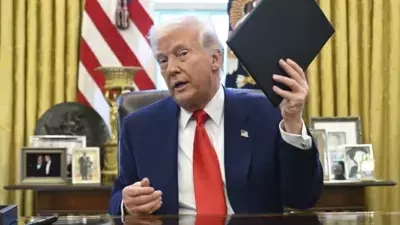
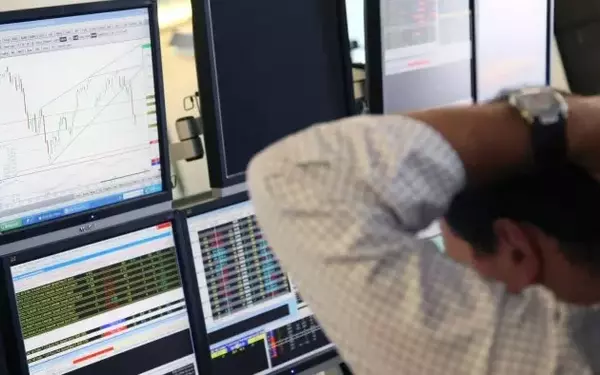
In the early hours of Thursday morning, amidst a backdrop of global trade tensions, investors found solace in President Trump's announcement of a 90-day tariff reprieve for most nations, with tariffs being reduced universally to 10%. Notably, China remained excluded from this reprieve, facing increased tariffs on its goods up to 125%. This decision came after a tumultuous session on Wednesday when bond prices plummeted and yields surged, contrary to the usual trend where investors seek refuge in U.S. Treasurys during volatile periods. Observers noted that the president's change in stance might have been influenced by pressure from the bond market, as he mentioned observing the bond market's fluctuations closely.
The auction for 10-year Treasurys on Wednesday further alleviated investor concerns with strong demand. Analysts at Deutsche Bank highlighted that although there was relief following signs of market stabilization, uncertainty surrounding policy predictability persists. They emphasized that the 10% minimum universal tariff marks one of the largest tariff increases in decades, potentially leading to prolonged trade uncertainties. Investors are now awaiting key economic indicators, including the consumer price index for March, weekly jobless claims, and the producer price index scheduled for release later in the week.
From a journalistic perspective, this episode underscores the intricate relationship between government policies and financial markets. It highlights how sudden shifts in trade policies can significantly impact bond yields and investor sentiment. As we navigate these uncertain times, it is crucial for policymakers to consider the broader implications of their decisions on both domestic and international economies. This event serves as a reminder of the interconnectedness of global markets and the need for transparency and stability in policy-making processes.