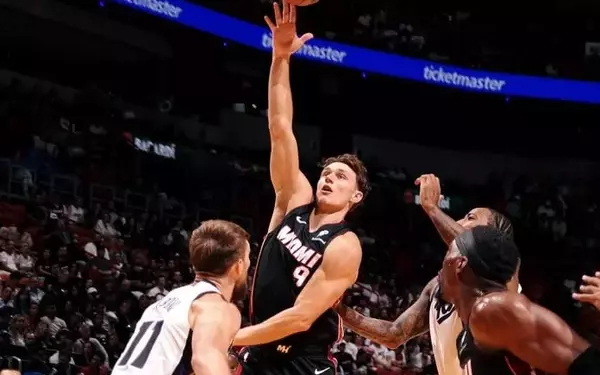
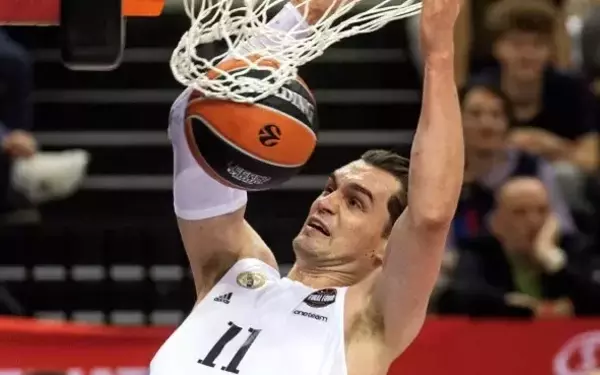
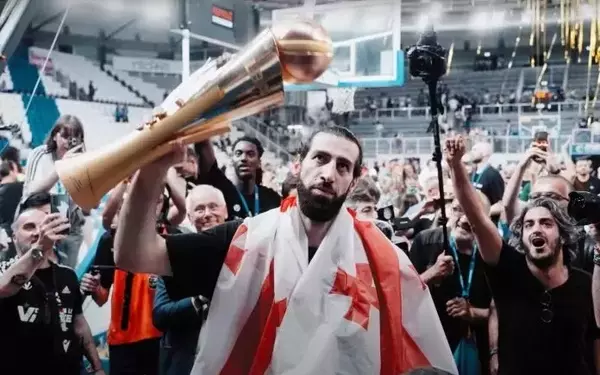
A heated controversy has erupted within Slovenian basketball circles following the revelation that naturalized player Josh Nebo will not be joining the national squad for EuroBasket 2025. This situation has ignited a fierce discussion regarding the communication protocols and management of naturalized talent within the federation. Concerns have been voiced by key figures, including the father of a prominent NBA star and the player's representative, highlighting significant disconnects between the athlete, his club, and the national team. The dispute not only leaves Slovenia without a vital player for the upcoming tournament but also raises profound questions about the long-term strategy for integrating international players into the national team setup and the potential implications for the federation's reputation.
Amidst the swirling debates, the core issue revolves around the circumstances of Nebo's withdrawal and the subsequent blame game. While health concerns, specifically an unhealed injury, are cited as the primary reason for his absence by his agent, the timing and nature of the announcement have been met with skepticism. This incident brings to the forefront the delicate balance between player well-being, club commitments, and national team aspirations, especially when naturalized players are involved. It underscores the necessity for clear, transparent communication channels and mutually agreed-upon terms to prevent such public disputes, which ultimately affect team morale and national sporting pride.
The Controversy Surrounding Nebo's EuroBasket Exclusion
Josh Nebo's unexpected unavailability for Slovenia's EuroBasket 2025 campaign has become a major point of contention, stirring significant debate within the nation's basketball community. The decision, particularly coming from a naturalized player, has triggered an examination of how player-club-federation communications are managed, leading to a palpable sense of unease. His absence, shared with fellow Slovenian Vlatko Cancar, has raised questions about transparency and accountability in the decision-making process.
Sasa Doncic, a prominent figure in Slovenian basketball and the sports director for the national team, has openly voiced his dissatisfaction with the handling of Nebo's situation. He specifically highlighted a perceived lack of direct communication from Nebo himself about his intentions to withdraw, despite multiple conversations. Furthermore, Doncic pointed out the delayed notification from Nebo's club, Olimpia Milano, regarding the player's medical status, which only came weeks after the initial invitation. This sequence of events has led Doncic to question the legitimacy of Nebo's withdrawal, especially considering his citizenship was granted primarily for his contribution to basketball. He suggested that if Nebo is unwilling to play, the continued collaboration, including the benefits of citizenship, should be reconsidered, indicating a deeper institutional frustration.
Player Intentions and Federation's Future
Responding to the mounting criticism, Misko Raznatovic, Josh Nebo's agent, provided a counter-narrative, aiming to clarify the true reasons behind Nebo's absence and to defend the player's commitment to the Slovenian national team. Raznatovic emphasized that Nebo's acquisition of Slovenian citizenship was not driven by opportunistic motives, such as gaining access to specific European markets, unlike some other naturalized players. Instead, he asserted that Nebo's desire to represent Slovenia stemmed from a genuine ambition to compete at the highest international level and to play alongside a talent like Luka Doncic.
The agent unequivocally stated that Nebo's decision to miss the EuroBasket was solely due to an unhealed injury, a condition confirmed and enforced by his club, Olimpia Milano. Raznatovic stressed that Nebo himself is deeply disappointed by his inability to participate, indicating his strong desire to represent Slovenia. Moreover, Raznatovic issued a cautionary note to the Slovenian Basketball Federation, suggesting that making accusatory or misinformed statements about players, particularly regarding citizenship, could have detrimental consequences for the federation's reputation and its future ability to attract and retain international talent. This ongoing disagreement underscores the broader challenges federations face in navigating complex relationships with naturalized players and their clubs, particularly when health issues and national team commitments intersect.