Market Sentiment Shifts Amidst CPI Data
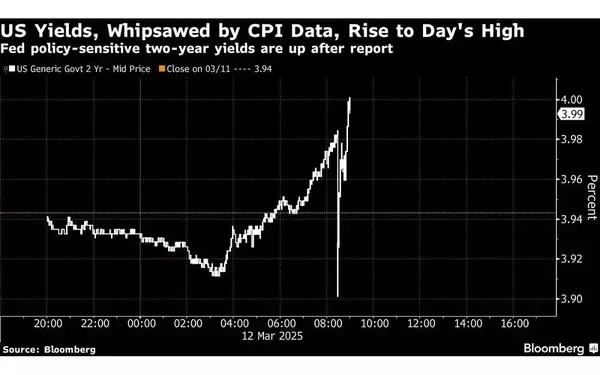
When the latest CPI figures were released, they indicated a lower-than-expected inflation rate. Typically, such news would bolster investor confidence in bonds, leading to a market rally. Yet, this time around, traders and investors did not respond with the usual enthusiasm. The explanation for this muted reaction can be found in the intricate relationship between CPI and PCE. While CPI provides a snapshot of overall inflation, it is the PCE that ultimately carries more weight in the eyes of the Federal Reserve.
The PCE index is considered a more comprehensive measure of inflation because it accounts for changes in consumer behavior and spending patterns. Given that PCE is often easier to predict after CPI and Producer Price Index (PPI) data are released, the recent CPI numbers suggest that PCE could be higher than initially thought. This insight has led to a recalibration of market expectations, with bond prices reflecting a potential weakening rather than strengthening trend.
The Role of PCE in Shaping Policy Decisions
For the Federal Reserve, PCE holds the key to gauging inflationary pressures and guiding monetary policy. Unlike CPI, which measures the price changes of a fixed basket of goods and services, PCE adjusts for shifts in consumer spending habits. This flexibility makes PCE a more accurate barometer of inflation from the Fed’s perspective. Consequently, when PCE readings indicate rising inflation, it signals that the central bank may need to take action to prevent the economy from overheating.
Two weeks from now, the release of the PCE report will provide further clarity on the inflation outlook. If the data confirms higher-than-expected PCE levels, it could prompt the Fed to adopt a more hawkish stance. Such a move would likely result in tighter monetary policy, including interest rate hikes or reduced asset purchases. These actions, in turn, would exert downward pressure on bond prices, reinforcing the current market sentiment of caution and uncertainty.
Bond Market Dynamics in Response to Inflation Signals
The bond market’s subdued reaction to the latest CPI data underscores the growing importance of PCE in shaping investor expectations. While CPI serves as an initial indicator of inflation trends, it is the subsequent PCE figures that truly influence market behavior. Investors are increasingly focused on how PCE will evolve in the coming weeks and months, as this metric offers a clearer picture of the Fed’s future policy direction.
Moreover, the bond market’s response highlights the interconnectedness of various economic indicators. A lower-than-expected CPI reading does not automatically translate into positive outcomes for bonds if it suggests higher PCE levels down the line. This dynamic creates a complex environment where short-term market movements may not align with long-term trends. As a result, investors must remain vigilant and adapt their strategies to navigate these shifting conditions.