Discover the Hidden Signals in Today's Market
As global markets navigate uncharted territory, uncover the critical insights shaping investment strategies and safeguarding your portfolio against unprecedented challenges.
The Shifting Landscape of Asset Correlations
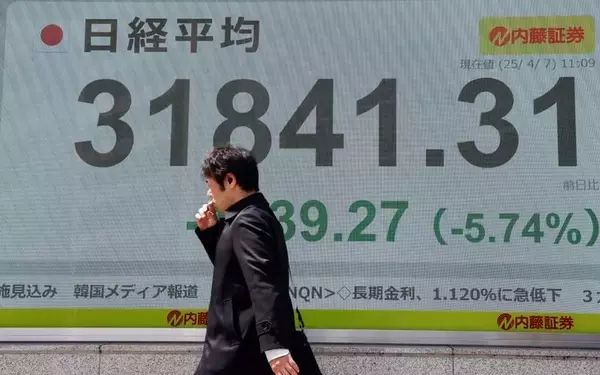
In recent months, an unusual phenomenon has emerged in the financial markets. Historically, when stocks decline, government bonds typically rise as investors seek safer havens. However, this inverse relationship appears to be faltering, raising questions about the stability of long-standing market axioms. This anomaly suggests that current market conditions may not align with past trends, necessitating a reevaluation of conventional investment strategies.
For instance, during previous periods of economic uncertainty, such as the 2008 financial crisis or the early stages of the pandemic in 2020, Treasury bonds experienced significant demand, driving yields downward. Yet, despite recent stock market declines and increasing recession probabilities, bond prices remain stagnant. This behavior indicates a fundamental shift in investor sentiment and highlights the need for alternative approaches to risk management.
Recession Risk and Its Impact on Financial Instruments
Economic forecasts point to rising odds of a recession in the near future, with projections from prominent institutions like Goldman Sachs estimating a 45% likelihood. These figures underscore the importance of assessing how different sectors might respond under adverse economic conditions. While equities often bear the brunt of recessions, the performance of fixed-income securities becomes equally vital in preserving capital.
Analyzing historical data reveals patterns where certain industries exhibit resilience during downturns. For example, consumer staples and healthcare companies frequently maintain steady revenue streams due to consistent demand for essential goods and services. Investors can leverage this knowledge by reallocating resources towards sectors less susceptible to economic volatility. Furthermore, understanding the interplay between fiscal policies and monetary interventions provides valuable context for anticipating future market movements.
Bond Market Dynamics Amidst Economic Uncertainty
The bond market plays a pivotal role in shaping overall financial health. Currently, the United States faces mounting debt levels exceeding 124% of GDP, placing immense pressure on its ability to service existing obligations while financing new expenditures. This situation raises concerns about sustainability and potential consequences if interest rates continue climbing.
Moreover, the Federal Reserve's influence over short-term rates diminishes further along the yield curve, leaving longer-duration bonds vulnerable to fluctuations driven by inflation expectations and growth prospects. As a result, investors must carefully consider duration risk when constructing portfolios amidst shifting macroeconomic environments. Additionally, monitoring credit spreads offers insight into perceived default risks associated with various issuers, helping inform decisions regarding allocation across corporate versus sovereign debt instruments.
Sentiment Analysis: Gauging Investor Psychology
Understanding prevailing attitudes among market participants proves invaluable for predicting short-term price actions. Recent surveys indicate record levels of pessimism among retail investors, marking six consecutive weeks where bearish sentiments exceeded historical norms established since the 1970s. Such extreme readings historically precede substantial rebounds, presenting opportunities for contrarian traders willing to capitalize on mispriced assets.
However, caution remains warranted given lingering uncertainties surrounding geopolitical tensions and trade negotiations. Volatility indices reaching multi-year highs signal heightened anxiety within the marketplace, warranting thorough evaluation of hedging mechanisms to protect against unforeseen adverse developments. By combining quantitative metrics with qualitative assessments, sophisticated investors can better navigate treacherous waters while positioning themselves advantageously ahead of anticipated recoveries.
Potential Scenarios for Future Market Trajectories
Two plausible outcomes emerge concerning ongoing volatility in equity indices. Under one scenario, the current correction represents merely an initial phase within a prolonged bearish cycle extending potentially into subsequent years. Herein lies the possibility of interim rallies failing to surpass prior peaks before resuming downward trajectories toward significantly lower valuation thresholds.
Alternatively, some analysts argue that recent declines constitute corrective phases within broader bullish frameworks initiated post-pandemic recovery efforts. In this case, upcoming advances could propel major benchmarks beyond previous records, culminating in ultimate confirmation of sustained upward momentum spanning multiple cycles. Distinguishing between these competing hypotheses requires vigilant observation of technical indicators alongside evolving macroeconomic fundamentals impacting supply chain dynamics, labor markets, and inflationary pressures.