Recent disclosures on 'The Hoop Collective' podcast cast doubt on the widespread belief that Mark Cuban maintained managerial authority over the Dallas Mavericks' basketball operations after the sale of his majority stake. Despite his earlier public declarations, new information indicates that his post-sale involvement was less extensive than generally perceived, primarily limited to attendance at operational discussions rather than wielding executive power. These revelations provide a clearer picture of the organizational structure following the ownership transition and precede a significant roster move that reshaped the team's future direction.
Following the Dallas Mavericks' change of ownership in late 2023, when Mark Cuban divested his controlling interest to the Adelson and Dumont families, there was a prevalent understanding that he would retain a significant role in the team's basketball decisions. Cuban himself contributed to this perception through various public statements, implying a continued hands-on approach to the team's strategic direction and player movements. However, insights shared by Tim MacMahon and Tim Bontemps on 'The Hoop Collective' podcast challenge this narrative directly. MacMahon, citing sources close to the situation, revealed that while Cuban initially sought to embed language in the sale contract that would ensure his direct operational involvement, this provision was ultimately removed. Instead, the final agreement merely permitted him to attend basketball operations meetings, starkly differing from having executive control.
Bontemps corroborated this perspective, stating that from the outset, he had understood that the idea of Cuban continuing to run the franchise was inaccurate. This clarifies the true scope of Cuban's post-sale influence, emphasizing that the reins of basketball operations have now fully transitioned to General Manager Nico Harrison and the new ownership group. This shift in power dynamics becomes even more pertinent when considering a monumental trade that occurred on February 2, involving the Mavericks' star player, Luka Doncic.
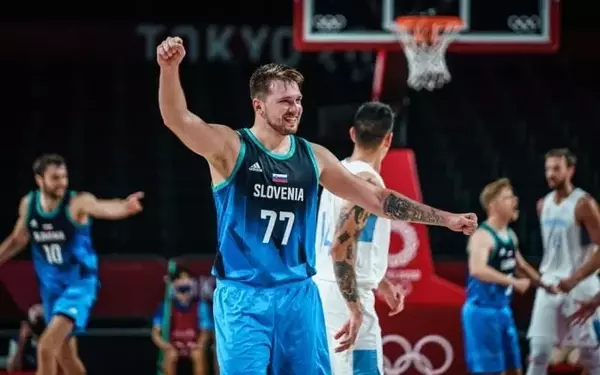
In a move that sent shockwaves through the league, the Mavericks traded Luka Doncic, Maxi Kleber, and Markieff Morris to the Los Angeles Lakers. In return, Dallas acquired Anthony Davis, Max Christie, and a collection of draft picks. This blockbuster transaction was one of the most unexpected and impactful in recent NBA history, effectively ending Doncic's tenure in Dallas and initiating a new era for the franchise. General Manager Nico Harrison publicly defended the trade, emphasizing its strategic importance for improving team defense and long-term planning, although it faced substantial criticism from the fanbase. The situation was further complicated by Doncic's admission that he was unaware of the trade until it was finalized, sparking discussions about communication and leadership within the Mavericks' front office. The newly revealed diminished role of Mark Cuban provides context for these events, highlighting that the decisions, particularly the trade, were made under the full authority of Harrison and the new ownership, underscoring a definitive change in the leadership landscape of the Dallas Mavericks.
The evolving understanding of Mark Cuban's role post-sale illustrates a critical transition point for the Dallas Mavericks. The public perception of his continued operational command, largely fueled by his own comments, is now being recalibrated by concrete details regarding the sale agreement. The significant trade involving Luka Doncic, which occurred without the player's prior knowledge, further underscores the complete shift in authority to General Manager Nico Harrison and the team's new ownership. This change marks a new chapter for the franchise, with decisions now clearly emanating from the current management, moving beyond the direct influence of its former prominent owner.