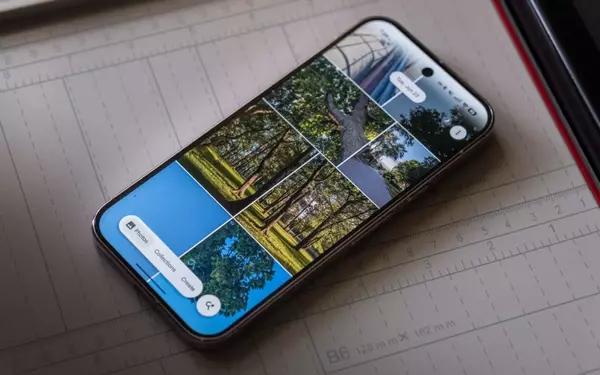
The Vivo X500 Pro Max emerges as a formidable contender in the high-end smartphone market, particularly excelling in its photographic prowess. Boasting a large 6.85-inch display and an impressive 7,800mAh battery (6,750mAh in the EU), this device bundles all the expected premium features of a 2026 Android flagship. While it carries forward many strengths from its predecessor, the X300 Pro, it introduces subtle yet impactful enhancements in its camera system and overall performance. The X500 Pro Max is now available globally in select regions, though not in the US, with pricing starting at €1,599 for the 12GB/256GB model, escalating to €2,199 for the 12GB/1TB variant. This marks a notable price hike compared to last year's model, a trend observed across much of the consumer tech industry in 2026, primarily attributed to supply chain challenges and fluctuating sales.
A primary highlight of the X500 Pro Max is its exceptional camera setup, which continues Vivo's tradition of camera-centric smartphones. Instead of merely increasing resolution, Vivo has integrated advanced sensors, including a 50MP Sony LYTIA L910 main camera with gimbal OIS and a 200MP Samsung ISOCELL HP0 telephoto lens offering 85mm focal length and OIS. The ultrawide lens also receives a significant upgrade to the Samsung ISOCELL JN5, featuring autofocus and a 15mm focal length. The device offers a rich array of shooting modes and filters, allowing users extensive customization over their images, including post-capture tonal adjustments. The 200MP telephoto lens stands out, consistently delivering high-quality photos at 3.5x and 7x zoom and excelling in portrait photography. Additionally, the X500 Pro Max supports advanced video recording capabilities, such as subject tracking, 4K cinematic portrait video, and 4K 240fps HDR video, rivaling and even surpassing some competitors.
Beyond its camera capabilities, the X500 Pro Max offers a compelling user experience with its robust design and powerful performance. The phone maintains a similar feel to its predecessor, with a slightly heavier build of 229g due to its larger battery, but maintains comfortable handling thanks to evenly distributed weight, beveled sides, and rounded edges. Its QHD LTPO AMOLED display, with a resolution of 3,168 x 1,440 and a 120Hz refresh rate (up to 144Hz for gaming), offers vibrant colors and impressive brightness, reaching up to 4,400 nits in outdoor conditions. The screen also incorporates advanced eye-comfort features, including 2,160Hz ultra-high-frequency dimming and a hardware-level blue light filter. Powered by MediaTek's 2nm Dimensity 9600 Pro, the phone delivers significant generational improvements, particularly in battery efficiency, allowing for two days of usage on a single charge. While it supports 90W FlashCharge, it also offers 50W USB Power Delivery charging, balancing speed with battery longevity considerations. The device includes Wi-Fi 7, Bluetooth 6.0, NFC, dual-band GPS, and an ultrasonic fingerprint sensor for secure and convenient unlocking. The software, OriginOS 7 based on Android 17, provides a smooth experience with extensive customization options, though its aesthetic draws parallels to iOS. Despite these strengths, the X500 Pro Max's higher price point and the omission of built-in Qi2 magnets may make it a less attractive option for some buyers, especially when considering the competitive value offered by its predecessors.
Ultimately, the Vivo X500 Pro Max stands as an exceptional camera flagship that pushes the boundaries of mobile photography and delivers an all-around premium hardware experience. Its powerful new camera sensors, robust two-day battery life, and vibrant QHD display are clear advantages that make it a desirable device for enthusiasts and power users. However, the significantly increased price tag and the lack of certain features like built-in Qi2 magnets present a challenge in its market positioning. For those prioritizing cutting-edge camera technology and extended battery life above all else, the X500 Pro Max is a worthy investment. Yet, discerning consumers seeking better value might find last year's models, which still offer excellent performance, to be a more practical choice. The smartphone market in 2026, with its rising costs and competitive landscape, demands careful consideration from both manufacturers and buyers.