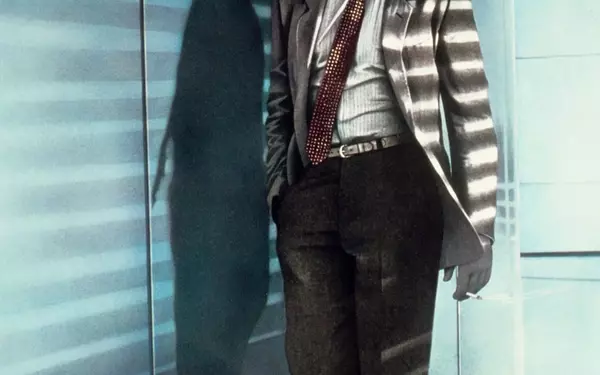
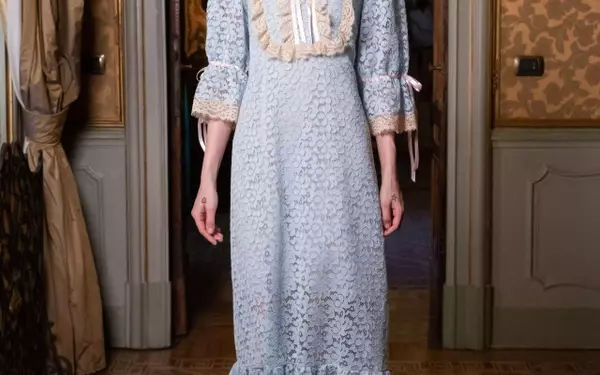
Vogue World Milan 2026 served as a vibrant showcase of Italian artistry and ingenuity, delving into themes of human creativity alongside the pervasive impact of artificial intelligence. A notable highlight was the unexpected appearance of humanoid robots on the runway, symbolizing the current technological era. This bold integration aimed to spark dialogue about the future of creativity in an increasingly AI-driven landscape, while also emphasizing the irreplaceable value of human emotion and experience in artistic expression.
The event also featured a compelling short film, 'Vittori-AI,' which explored the boundaries of machine learning in the arts. Through this cinematic narrative, the limitations of AI in replicating genuine human traits like taste and emotion were brought to the forefront, reinforcing the idea that while technology can assist and inspire, the essence of art remains deeply rooted in human unique experiences and sensibilities. Both the runway spectacle and the film served to underscore a critical message: while AI and robotics are here to stay, human creativity and emotional depth will always hold unparalleled significance.
Robots and Runway: A Glimpse into the Future of Fashion
During the 'Age of Intelligence' segment of Vogue World Milan 2026, attendees were treated to an unexpected sight: four humanoid robots from Unitree Robotics confidently striding down the catwalk of the historic Galleria Vittorio Emanuele II. This audacious move was a deliberate artistic statement, conceived by creative director Juan Costa Paz, to encapsulate the nascent stages of robotics and artificial intelligence. The presence of these seemingly 'clunky' machines among supermodels like Alex Consani and Yumi Nu was meant to evoke a sense of the uncanny, prompting viewers to consider the profound societal shift ushered in by these emerging technologies. It was a tangible representation of a future where machines increasingly intersect with human endeavors, especially in creative fields like fashion.
The integration of these robots transcended mere spectacle; it was a conceptual commentary on the evolving relationship between human ingenuity and technological progress. Costa Paz articulated that these robots, despite their current rudimentary nature, represent a pivotal juncture in human history—much like the advent of early, cumbersome cell phones foreshadowed today's ubiquitous smartphones. The juxtaposition of high fashion with advanced robotics served as a powerful visual metaphor, emphasizing that AI is an undeniable, persistent force. The intention was to provoke thought and conversation, suggesting that while the aesthetic might be 'fun,' the underlying message is a serious acknowledgment of AI's enduring presence and transformative potential across all industries, including the highly human-centric world of fashion.
The Human Element: Artistry Beyond Algorithms
Complementing the robotic runway debut, Vogue World Milan 2026 also presented a thought-provoking short film titled 'Vittori-AI,' directed by Bardia Zeinalli and starring Italian supermodel Vittoria Ceretti. This video narrative ingeniously explored the inherent limitations of artificial intelligence when it comes to replicating nuanced human qualities such such as taste, emotional depth, and individual experience. The film, incorporating AI-generated visual effects, aimed to delineate the boundaries between machine capabilities and intrinsically human artistic expression. It showcased that while algorithms can process data and imitate styles, the soul and originality embedded in human creativity remain uniquely irreplaceable, forming the core essence of artistic endeavors.
Vittoria Ceretti herself articulated the central ethos of the project, highlighting that while technology possesses the capacity to generate ideas and mimic existing artistic styles, it is the unique experiences and emotional resonance of human beings that imbue art with true meaning and value. This sentiment was echoed by Zeinalli, who expressed a desire for the piece to offer reassurance in an era of rapid technological advancement. The film sought to instill confidence in humanity's enduring role in art and culture, emphasizing that despite the growing influence of AI, the human capacity for emotion, imagination, and personal experience will always be paramount, securing our place as the ultimate creators and interpreters of artistic expression.