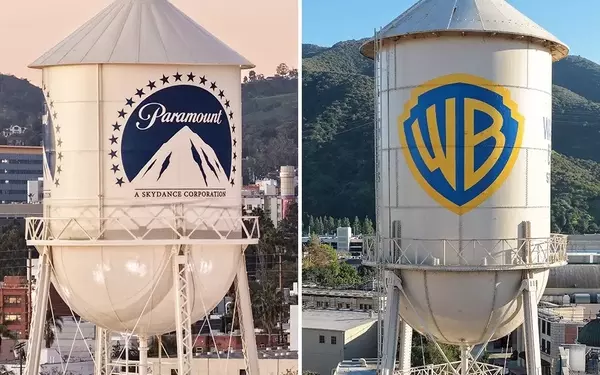
The Writers Guild of America, encompassing both its East and West branches, has concluded its antitrust litigation against Paramount concerning the proposed merger involving Warner Bros. Discovery. This decision, announced in a recent statement, highlights the complexities faced by non-profit organizations in challenging large corporate consolidations. The WGA, while steadfast in its belief that the merger poses risks to writers and the broader entertainment sector, ultimately opted for a settlement after Paramount reached a separate agreement with several state attorneys general.
Details of the Resolution Regarding the Media Giant Merger
On September 21, 2026, the Writers Guild of America (WGA) East and West announced the settlement of their legal action aimed at preventing the merger of Paramount Skydance and Warner Bros. Discovery. This development occurred following Paramount's successful agreement with 12 state attorneys general, which cleared a significant regulatory obstacle for the proposed acquisition. The WGA had initially filed its lawsuit in July, arguing that the colossal $111 billion deal would violate federal antitrust statutes and negatively impact writers' compensation and employment prospects. Specifically, the Guild contended that a consolidated entity would possess greater power to reduce costs by suppressing writers' wages and limiting job opportunities. The WGA's official statement acknowledged the financial burden and challenges of pursuing a complex antitrust case as an independent non-profit without governmental support, leading to their decision to settle. The settlement terms include a five-year prohibition on writer layoffs at CBS News Broadcast and a payment of $17.5 million to the WGA's health fund, alongside coverage of their legal fees. Despite not preventing the merger outright, the WGA believes its advocacy brought crucial attention to the potential harms of industry consolidation and remains committed to combating such issues in the future.
This resolution underscores the ongoing tension between large-scale corporate consolidation and the protection of creative labor. While the WGA's direct objective of blocking the merger was not achieved, their sustained efforts have undoubtedly illuminated the critical discussions surrounding fair competition and employment within the entertainment industry. It prompts a broader reflection on the necessity of structural protections, akin to historical regulations like the Financial Interest and Syndication Rules, to safeguard creative diversity and fair practices in an increasingly consolidated media landscape. The WGA's steadfast commitment to these principles signals a continuing struggle for a balanced and equitable future for writers and the creative community at large.