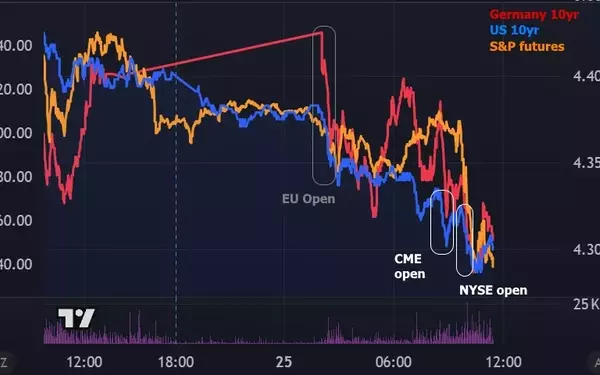
The global financial landscape is experiencing significant volatility, driven by a combination of weakening economic indicators and escalating trade tensions. Recent data from the United States has raised concerns about the resilience of its economy, with Treasury Secretary Scott Bessent warning of underlying fragilities. This uncertainty has ripple effects across Asian and emerging markets, where investors are bracing for potential turbulence. The decline in consumer confidence and surging inflation expectations have added to the pessimism, leading to widespread stock market drops. Meanwhile, lower Treasury yields and a weaker dollar are not providing the usual boost to these markets, as fears of slowing growth overshadow any positive impacts. Additionally, key tech stocks, previously dominant, are entering correction territory, raising questions about their ability to recover and lead the market upward.
Economic Indicators Signal Slowing Growth
The latest economic data from the United States paints a concerning picture. Consumer confidence has plummeted to levels not seen in over three years, while inflation expectations have surged. These developments come on the heels of other troubling indicators, such as weak retail sales and subdued business activity. The two-year Treasury yield has hit multi-month lows, and the 10-year yield has also declined sharply. Financial markets are now anticipating at least two more interest rate cuts from the Federal Reserve this year, starting in July. These factors suggest that the U.S. economy may be more vulnerable than previously thought, despite surface-level stability.
Market sentiment has been further dampened by the performance of key tech stocks, collectively known as the 'Magnificent Seven.' These stocks, which have been market leaders for the past two years, have fallen into correction territory, down 13% from their December peak. While they showed resilience last summer by recovering from a bear market, their current downturn raises doubts about their ability to drive the broader market higher again. Nvidia's earnings report later this week will be crucial in determining whether these stocks can regain their momentum. The overall impact of these economic signals is a growing caution among investors, who are trimming risk exposure and cashing out even their winning bets.
Regional Economic Events Shape Market Outlook
In Asia, several economic events this week could provide further direction to markets already under pressure. Taiwan will release revised GDP figures for 2024 and outlook for 2025, offering insights into the region's economic health. Australia will unveil its January CPI inflation data, which will be closely watched for signs of price stability or inflationary pressures. Singapore's industrial production numbers will also be released, giving an indication of manufacturing activity in the country. Thailand's central bank is expected to hold its key interest rate steady at 2.25%, though there are expectations for a single cut this year to navigate growing global uncertainties.
The Bank of Thailand's decision will be particularly significant given the current global economic climate. Despite swap markets pricing in 50 basis points of cuts this year, the central bank aims to preserve policy buffers amid heightened risks. Investors will be closely monitoring these regional developments, as they could influence market sentiment and investment strategies. Gold, traditionally a safe-haven asset, fell by 1.5% on Tuesday, while bitcoin and oil prices also declined. As markets continue to grapple with uncertainty, the coming days will be crucial in shaping the trajectory of Asian and emerging markets.