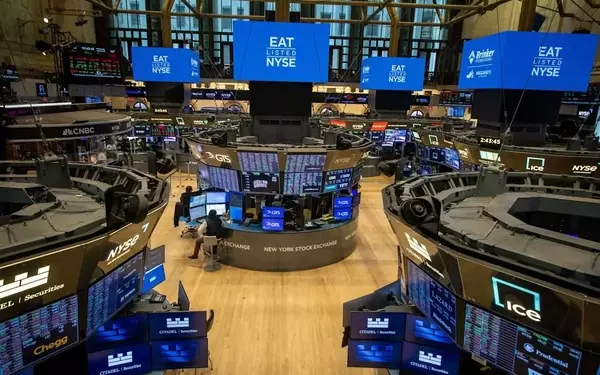
The bond market has witnessed a significant rally, with 10-year yields dropping more than 10 basis points and briefly dipping below 4.30%. Mortgage-backed securities (MBS) have also seen gains, with certain coupon rates nearing par. This upward momentum occurred without any major economic reports or scheduled events. The trading activity was relatively steady throughout the day, with slight spikes coinciding with key market openings such as the European Union session, CME at 8:20 am, and NYSE at 9:30 am. Some analysts attribute this movement to lower energy prices, which could signal reduced inflationary pressures. Others view it as a reflection of market concerns about global economic growth. The overall sentiment appears to be driven by various factors, including fiscal policies, trade tensions, labor market dynamics, and corporate updates.
Market Dynamics and Key Catalysts
The bond market's recent surge can be attributed to several underlying factors that have influenced investor sentiment. While no specific event triggered this rally, the timing aligns with broader market trends and geopolitical developments. Analysts suggest that lower energy costs may contribute to easing inflation expectations, providing a supportive environment for bonds. Additionally, the market seems to be expressing caution regarding global economic growth, particularly in light of ongoing trade disputes and policy changes.
This cautious outlook extends beyond just energy prices. Investors are increasingly concerned about the potential economic impact of new fiscal austerity measures domestically. Trade policies and tariffs continue to weigh heavily on global markets, affecting not only international trade but also labor markets. Government layoffs and immigration policies further complicate the employment landscape. Corporate announcements regarding hiring, firing, and earnings provide additional insights into the health of the economy. These factors collectively shape the current buying sentiment in the bond market, driving yields lower and boosting MBS performance.
Economic Indicators and Future Outlook
While the immediate cause of the bond market's rally remains elusive, it is clear that multiple economic indicators and policy shifts are influencing investor behavior. The absence of major data releases or scheduled events suggests that the market is responding to broader macroeconomic trends rather than specific catalysts. Lower energy prices and their implications for inflation play a crucial role in shaping these trends. However, the market's reaction also reflects deeper concerns about the pace of global economic growth and the potential fallout from various policy decisions.
Looking ahead, the bond market's performance will likely continue to be influenced by these same factors. Fiscal policies, trade negotiations, and labor market conditions will remain key areas of focus. Any updates from corporations regarding their financial health and employment practices will also be closely monitored. As investors navigate this complex landscape, they will seek signs of stability and growth, which will ultimately determine the direction of yields and bond prices. The interplay between these elements will define the future trajectory of the bond market, making it essential for investors to stay informed and adaptable.