In a move to fund critical infrastructure projects, Mayor Brandon Johnson's proposed $830 million bond has sparked debate among city officials and financial experts. The plan, which would defer principal payments until 2045, raises concerns about the long-term debt burden on future taxpayers. Initial estimates suggest that repaying the bond could cost nearly $2 billion, with the bulk of the repayment falling on taxpayers in 2050. Critics argue that this structure risks exacerbating the city's existing debt issues, while supporters maintain it is necessary to address immediate infrastructure needs without overwhelming current budgets.
Debate Intensifies as City Council Prepares to Vote on Borrowing Plan
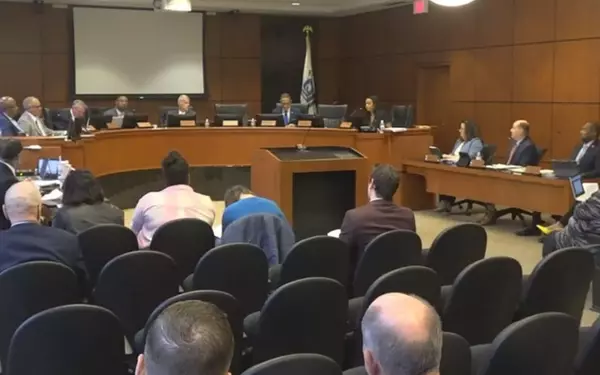
The proposal, set for a vote by the City Council, aims to finance a range of capital improvements, including road repairs, bridge renovations, and safety upgrades at intersections prone to accidents. However, the payment schedule, which delays principal repayments for nearly two decades, has drawn sharp criticism from both inside and outside the council. State Comptroller Susana Mendoza and fiscal watchdog Joe Ferguson have expressed reservations, citing recent credit downgrades and warning that such a backloaded repayment plan could harm the city's financial standing.
Finance officials counter that the plan is designed to smooth out overall debt service costs for taxpayers, especially when combined with other existing debts. Chief Financial Officer Jill Jaworski emphasized that deferring principal payments allows the city to manage its budget more effectively, avoiding the need for additional revenue or spending cuts. Aldermen like Bill Conway acknowledge past financial missteps but stress the importance of being cautious with taxpayer dollars, advocating for responsible borrowing practices that do not burden future generations.
Despite the controversy, supporters argue that delaying capital investments could lead to higher costs down the line, potentially accelerating the city's decline if essential infrastructure is neglected. The debate highlights the challenging balance between addressing immediate needs and ensuring long-term fiscal sustainability.
From a journalistic perspective, this situation underscores the complex decisions faced by cities grappling with aging infrastructure and limited resources. While borrowing can provide much-needed funds for vital projects, it also carries the risk of saddling future residents with unsustainable debt. The ongoing discussion serves as a reminder of the importance of transparency and careful planning in municipal finance. Ultimately, finding a balance between immediate necessities and long-term responsibility remains a critical challenge for urban governance.