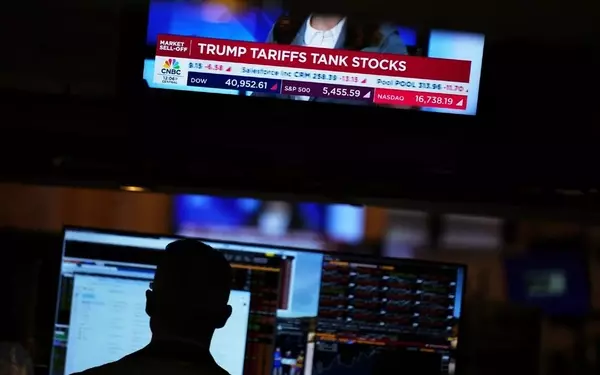
In the ever-changing landscape of financial markets, investors are constantly faced with new challenges. Recently, a surge in Japanese government bond yields has sent ripples through global markets. This unexpected development comes just as stability seemed to return following last week's tariff-induced panic. The rise in long-term JGB yields has not only sparked concerns among investors but also highlighted potential implications for international bond holdings and the cryptocurrency market.
Rising Yields Spark Market Concerns
In the vibrant autumn of financial trading, a notable shift occurred early this week when the yield on 30-year Japanese government bonds climbed to 2.88%, marking its highest level since 2004. This dramatic increase of nearly 60 basis points within a week caught the attention of global investors. The widening gap between 30-year and five-year bond yields signifies an unprecedented change over the past two decades. While the 10-year yield remains below its recent peak, the movement in ultra-long bonds has raised significant alarms. Japan, traditionally an anchor for low bond yields globally, now faces the possibility of repatriating funds from international investments back home. This scenario could lead to increased volatility in U.S. Treasury markets and a strengthening yen, potentially exacerbating risk aversion.
Beyond traditional markets, cryptocurrencies like Bitcoin may also feel the pressure. Last year’s experience with yen carry unwinds serves as a cautionary tale. Despite Bitcoin's resilience during periods of heightened risk aversion, its overall downward trend since February suggests it may be vulnerable once again. As Garry Evans of BCA Research noted, the massive scale of Japan's international investment position means any significant repatriation could have far-reaching consequences.
From a journalist's perspective, this situation underscores the interconnectedness of global financial systems. It serves as a reminder that even seemingly isolated events can have profound impacts across different asset classes. Investors must remain vigilant and adaptable, recognizing that what happens in one corner of the world can quickly ripple outward, affecting everything from sovereign bonds to digital currencies. In such uncertain times, staying informed and prepared is crucial for navigating these complex waters successfully.