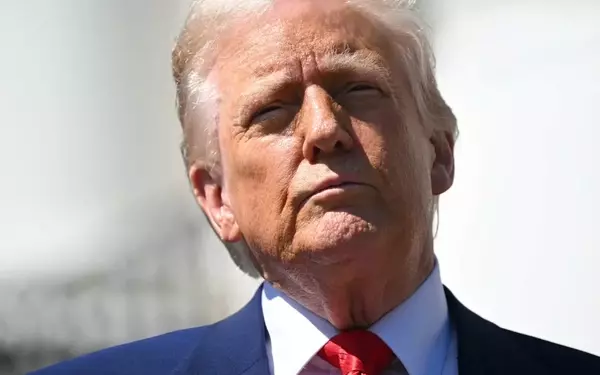
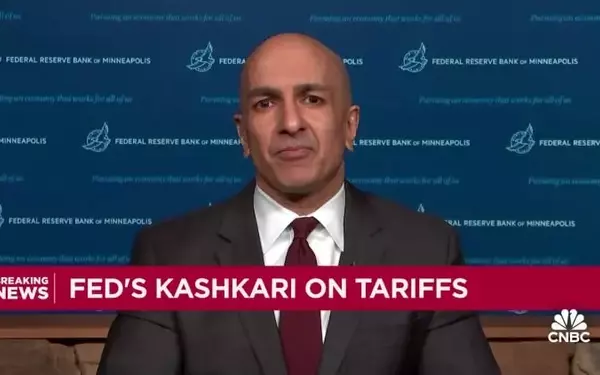
The global financial landscape is currently experiencing significant upheaval due to escalating trade tensions between the United States and China. President Donald Trump's implementation of unprecedented tariffs has triggered widespread sell-offs in U.S. bonds, raising concerns about a potential exodus of foreign capital from American assets. Meanwhile, key developments in treasury yields and currency movements are reshaping investor strategies worldwide. This turmoil has also prompted government officials and industry leaders to reassess their investment policies.
In response to these challenges, central banks and governments are actively exploring measures to stabilize their economies and markets. The People's Bank of China is urging state-owned banks to decrease their U.S. dollar purchases, while France's industry minister advises French companies to reconsider investments in the U.S. Furthermore, the impact extends beyond equities, affecting commodities and emerging markets significantly. Analysts warn that this crisis could deepen if economic conditions deteriorate further.
Market Reactions to Tariffs and Bond Yields
Tariff implementations have set off a chain reaction across global markets, particularly impacting U.S. Treasuries. Investors are reacting by selling even traditionally safe assets like government bonds, shifting instead towards cash and alternative safe havens such as gold. These actions reflect growing unease about the stability of financial systems amidst heightened geopolitical tensions.
The introduction of 104% tariffs on Chinese imports by the U.S. administration has sent shockwaves through international markets. As a result, the benchmark U.S. 10-year Treasury yield experienced dramatic fluctuations, peaking at 4.515% before stabilizing slightly. Such volatility underscores the uncertainty surrounding future economic prospects. Market analysts emphasize that the situation has transitioned from primarily focusing on equities to concentrating intensely on bond dynamics. With an upcoming auction for new 10-year notes, investor confidence in U.S. government debt will be critically tested. Additionally, other long-term yields, including those for British 30-year bonds, have surged, indicating broader market anxieties.
Government Responses and Economic Concerns
Amidst market turbulence, various governments and central banks are taking decisive steps to mitigate adverse effects. High-level meetings in China aim to devise strategies to bolster economic growth and maintain market stability. Simultaneously, European nations evaluate their stance regarding transatlantic trade relations, reflecting divergent perspectives on tariff policies.
To counteract potential negative impacts, Chinese authorities have instructed major state-owned banks to curtail their acquisition of U.S. dollars. In parallel, French officials advocate suspending investments in the United States until trade disputes resolve. These moves highlight the intricate interplay between national interests and global economic interconnectedness. Moreover, public sentiment analyses reveal skepticism among Americans regarding the efficacy of current tariff measures. Should an economic downturn materialize, there may be increasing calls to reevaluate these policies. Notably, stock indices globally have suffered substantial losses, with trillions erased from market values. Consequently, stakeholders remain vigilant, monitoring both domestic interventions and international collaborations aimed at restoring equilibrium to disrupted financial ecosystems.