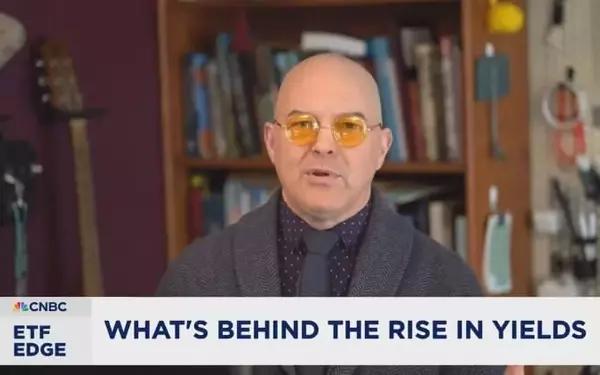
In a recent interview, Neel Kashkari, President of the Minneapolis Federal Reserve, highlighted an unexpected trend in global financial markets. Contrary to historical patterns, investors appear to be moving away from the United States as the ultimate safe haven for investments. This shift coincides with rising Treasury yields and a weakening U.S. dollar amid escalating trade tensions. The central banker noted that such market behavior is unusual, especially given the backdrop of increased tariffs. These developments suggest a possible change in investor sentiment toward U.S. assets.
Rising Yields and Dollar Decline Signal Changing Dynamics
Amidst growing trade disputes, the 10-year Treasury yield has surged significantly following announcements of broad-based tariffs by the U.S. government. Simultaneously, the U.S. dollar has depreciated more than three percent against a basket of major currencies. According to Kashkari, this simultaneous movement contradicts typical expectations where heightened tariff measures would usually strengthen the dollar. In a CNBC “Squawk Box” interview, he elaborated that the current trends may reflect a broader shift in investor preferences, signaling reduced attractiveness of the U.S. as a prime investment destination. This could lead to higher bond yields domestically if fewer foreign investors view America as the safest place to park their capital.
Kashkari further explained during the discussion that while there are signs of stress in certain areas of the market, overall functionality remains intact without severe dislocations. Although he does not currently hold voting rights on the Federal Open Market Committee (FOMC), his insights carry weight due to his focus on maintaining stable inflation expectations. He emphasized that monetary policy adjustments will likely remain on hold until greater clarity emerges regarding fiscal and trade policies.
From a journalist's perspective, these observations underscore the intricate interplay between geopolitical events and financial markets. It prompts reflection on how shifting global dynamics might influence long-term economic stability. For readers, it serves as a reminder of the importance of staying informed about international relations and their potential impacts on personal finances. Understanding these connections can empower individuals to make more strategic decisions in uncertain times.