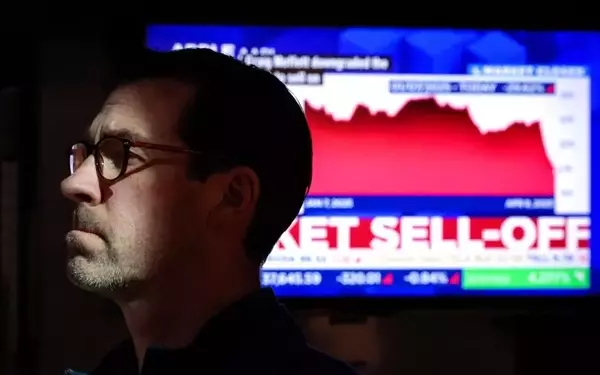
Amid the implementation of new tariffs by President Donald Trump, financial markets have witnessed significant fluctuations. The decision to impose extensive trade barriers on numerous global partners has led to a notable increase in U.S. Treasury yields. This surge suggests that investors are divesting from traditionally secure assets, raising concerns about potential economic instability and increased borrowing costs.
Treasury yields serve as crucial indicators of interest rate trends. Their rise not only impacts borrowing expenses for individuals and entities but also signals anticipated inflationary pressures. Market analysts warn that prolonged tariff measures could lead to an economic downturn unless resolved through negotiations.
Economic Implications of Rising Yields
The recent spike in Treasury yields has sparked widespread concern among economists and investors alike. With the 10-year yield reaching 4.34% and the 30-year climbing above 5%, market experts describe this as a "bond market meltdown." Such dramatic increases indicate a shift in investor sentiment, reflecting anxiety over the impact of tariffs on the economy.
This unprecedented movement in bond yields stems from a combination of factors, including fears of inflation, reduced foreign investment, and forced liquidation of bonds. Experts argue that these tariffs do not rejuvenate domestic industries as intended but instead inflate costs and destabilize markets. Economic policies of this nature risk accelerating the country towards a recession if not addressed promptly.
Tahra Jirari from the Chamber of Progress emphasizes that tariffs fail to revitalize manufacturing while significantly increasing operational costs. Jim Bianco of Bianco Research further explains that the rapid ascent in yields signifies a disorderly liquidation within the bond market. Historically, such sharp rises occur during periods of forced sales rather than deliberate managerial decisions. This phenomenon underscores the urgency for policymakers to reconsider their approach to international trade relations.
Potential Outcomes and Market Expectations
As uncertainty looms regarding the duration of these tariffs, financial markets brace for continued volatility. Economists anticipate a possible recession should these measures persist indefinitely. However, there remains hope for mitigating adverse effects through timely diplomatic negotiations aimed at reducing tariff levels.
Julian Jessop, an independent economist, highlights that rising Treasury yields contradict expectations of decreased government borrowing costs due to tariffs. Despite market predictions favoring Federal Reserve rate cuts, yields continue to escalate. This anomaly arises from a blend of persistent inflation worries, mandatory bond sales, and insufficient foreign demand. Investors explore alternative strategies, such as interest rate swaps, to hedge against risks associated with fluctuating rates.
In light of these developments, stakeholders emphasize the importance of strategic dialogue between nations to resolve trade disputes amicably. By fostering cooperative agreements, it is possible to alleviate market anxieties and restore confidence in both domestic and international economies. Continued monitoring of Treasury yields will provide critical insights into future economic trajectories influenced by current policy decisions.