Recent tariff actions by the United States and subsequent retaliatory measures from trading partners have caused significant fluctuations in financial markets. Despite a temporary halt to most "reciprocal" tariffs announced by President Donald Trump, concerns persist regarding the stability of key markets such as US Treasury securities and short-term dollar funding. While equity market shifts have so far occurred under orderly conditions, signs indicate that selling pressures may be spreading to other sectors. The potential for these strains to escalate into a broader financial crisis highlights the importance of monitoring these developments closely.
Questions have arisen about the safe haven status of US Treasuries and the US dollar, with unusual behavior observed during recent market turbulence. Additionally, heightened volatility in the US Treasury market has affected global bond markets, leading to unwinding of certain trades and increased pressure on cross-currency swap markets. The Federal Reserve's role in addressing these challenges is under scrutiny, particularly amidst political uncertainties and geopolitical tensions.
Unusual Market Dynamics Challenge Traditional Safe Havens
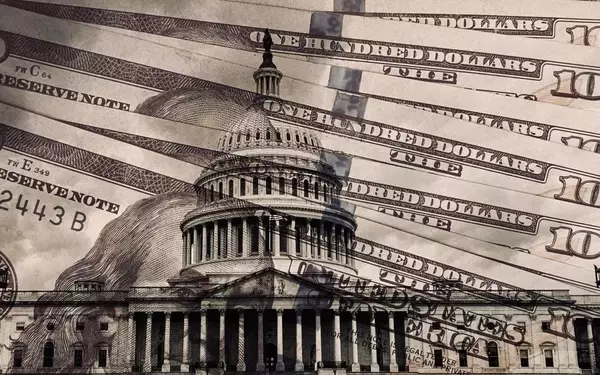
The traditional roles of US Treasuries and the US dollar as safe havens are being questioned due to unexpected market reactions. When President Trump announced higher-than-expected tariffs, instead of the usual decline, yields on ten-year US Treasuries initially fell but then rose sharply, contrary to historical trends. Similarly, the US dollar weakened rather than strengthening, deviating from typical patterns during market stress. These anomalies suggest a shift in investor sentiment and raise doubts about the reliability of these assets as safe havens.
This change in behavior coincides with a decline in foreign holdings of US Treasury securities, dropping from over 50% in 2008 to around 30% currently. Such a reduction could indicate waning international confidence in US financial instruments. Investors, accustomed to flocking to Treasuries and the dollar during uncertainty, now seem uncertain themselves. This situation creates a feedback loop where reduced demand further affects market stability. As investors grapple with these changes, the implications for global financial systems become increasingly significant. Understanding this evolving landscape is crucial for assessing risks and ensuring the resilience of financial markets worldwide.
Federal Reserve's Role Amid Market Uncertainty
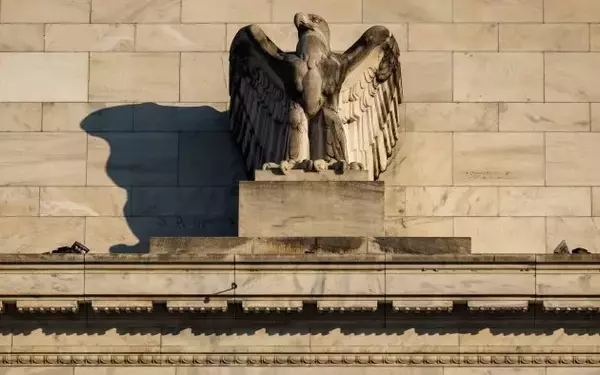
As strains emerge in US dollar funding markets domestically and internationally, attention turns to the Federal Reserve. With the Fed traditionally acting as a provider of last-resort liquidity, questions arise about its readiness to intervene given current geopolitical tensions and tariff disputes. High US tariff rates, estimated at approximately 24%, pose inflationary risks that complicate monetary policy decisions. Although Fed officials express a willingness to wait for clearer data before acting, they remain cautious about preemptive easing perceived as market support.
Beyond interest rate adjustments, the Fed possesses tools like Treasury purchases or repo market operations to inject liquidity. It also maintains currency swap lines with major central banks, providing dollar liquidity globally. However, political sensitivities surrounding these measures as potential "bailouts" create hesitations. Speculation exists about leveraging the Fed's safety net for political gains, which might undermine its effectiveness. Consequently, ongoing tariff conflicts and their impact on equities, coupled with Treasury and dollar market states, will shape whether current turmoil escalates into a full-blown financial crisis. Monitoring the Fed's actions becomes pivotal in navigating these uncharted waters.