Unveiling Opportunities Amidst Market Fluctuations
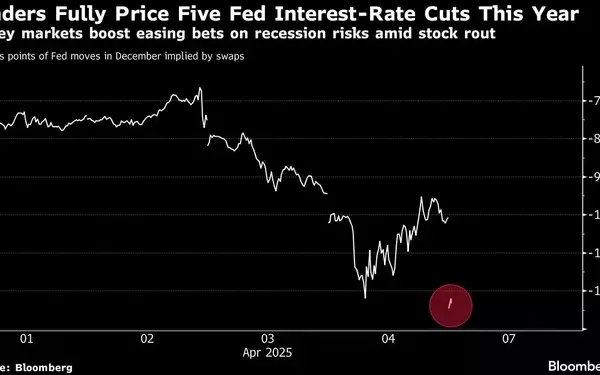
The financial world witnessed an intriguing sequence of events on Monday that underscored the volatile nature of modern markets. As stocks and yields dipped early in the session, a series of reports indicating potential tariff negotiations sparked a reversal in sentiment. Despite certain claims being refuted, the underlying trends persisted, illustrating the complex relationship between headlines and market movements.
Understanding the Risk-Off Momentum
Early Monday morning, investors braced for a tumultuous session as risk-off sentiment gripped the markets. The initial downturn was driven by concerns over escalating trade tensions, prompting a flight to safety. Yields and stock prices plummeted as traders sought refuge in traditionally stable assets such as government bonds. This reaction exemplified the market's sensitivity to geopolitical uncertainties, where even minor shifts in trade relations can trigger substantial volatility.
Analysts noted that the rapid decline in asset values during this period was not entirely unexpected. Historical data suggests that periods of heightened uncertainty often lead to pronounced market corrections. Investors, anticipating potential economic repercussions from prolonged trade disputes, adjusted their portfolios accordingly. This behavior reinforced the notion that market participants closely monitor geopolitical developments for cues on future economic health.
Negotiation Headlines Spark Optimism
As the trading day progressed, a wave of optimism swept through global markets fueled by reports of potential trade negotiations. These developments suggested that key trading partners were open to discussing tariff reductions, injecting a dose of hope into an otherwise uncertain environment. Although some of these claims were later debunked, the residual impact on investor sentiment remained evident.
This episode demonstrated the profound influence of media on financial markets. In today’s fast-paced information age, headlines can rapidly alter perceptions and drive decision-making processes. Even unsubstantiated reports have the power to sway market sentiment, underscoring the need for investors to remain vigilant and discerning when interpreting news. The ability to differentiate between credible sources and speculative rumors is crucial in navigating volatile markets.
Reassessing Market Trends
Despite the retractions and clarifications surrounding earlier reports, market trends indicated a gradual return to pre-dip levels. Analysts attributed this resilience to the broader prevailing trend that had been established earlier in the day. While the specific headline about a 90-day tariff pause proved inaccurate, its influence lingered, contributing to sustained selling pressure in certain sectors.
This scenario highlighted the importance of understanding long-term market dynamics rather than reacting impulsively to short-term fluctuations. Investors who maintained a strategic perspective were better positioned to capitalize on opportunities presented by temporary dips. By focusing on fundamental indicators such as corporate earnings and economic growth metrics, they could make informed decisions amidst the noise of daily market movements.
Implications for Future Market Behavior
The events of Monday provided valuable insights into the functioning of contemporary financial markets. They revealed how interconnected global economies are and how sensitive markets can be to changes in trade policies. As countries continue to navigate complex trade relationships, the potential for similar market reactions remains high. Understanding these dynamics is essential for anyone seeking to thrive in today’s financial landscape.
Moreover, the day’s developments emphasized the necessity for robust risk management strategies. With the potential for sudden shifts in market sentiment always present, investors must be prepared to adapt quickly. Utilizing diversified portfolios and maintaining liquidity can help mitigate risks associated with unexpected market movements. As the global economy evolves, staying informed and agile will be key to achieving long-term success in financial markets.