In the current bear market and recession-watch conditions, bonds are regaining favor among investors seeking safety. A noticeable trend is the growing preference for actively managed fixed-income ETFs over their passive counterparts. Despite decades of research suggesting that active managers struggle to outperform indexes in the long term, recent performance indicates a different story in the bond market. Experts highlight that active management in fixed income may offer advantages not seen in core equities.
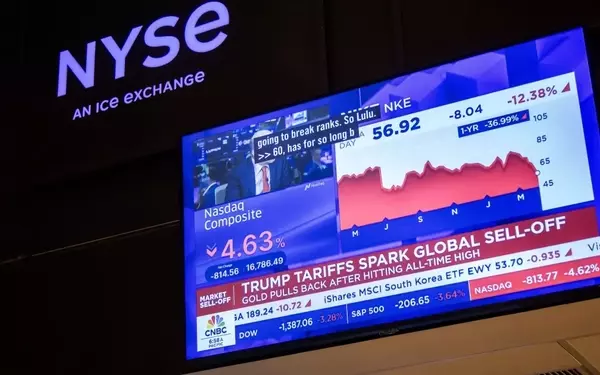
As stock markets decline and volatility rises due to global uncertainties, such as President Trump's tariffs, bonds are fulfilling their traditional role of providing lower-risk options. Major bond ETFs have surged recently, reaching levels unseen for months. However, what stands out is the shift toward actively managed bond strategies. While active management has historically underperformed in equities, it shows promise in fixed income. Last year, a majority of actively managed bond funds outperformed indexed ones, with significant success rates in several categories.
Shifting Dynamics in Fixed-Income Management
The landscape of fixed-income investment is evolving, with more investors opting for actively managed bond funds. This shift stems from the belief that active management can better navigate the complexities of today’s bond market compared to passive index-tracking approaches. The Bloomberg U.S. Aggregate Bond Index, which serves as the benchmark for many popular bond ETFs, is criticized for being outdated and unrepresentative of modern trading dynamics. As a result, active managers who understand market nuances and economics are gaining traction.
Active bond managers argue that indices like the AGG fail to capture the full scope of opportunities within the $26 trillion bond market. For instance, TCW’s Flexible Income ETF (FLXR) has significantly outperformed the AGG since its inception in 2018 by leveraging smarter exposure strategies. Additionally, swift changes in treasury yields and widening credit spreads have further highlighted the benefits of an active approach. Financial advisors, who often feel more comfortable making equity decisions than navigating bonds, are increasingly embracing this trend. Data supports the notion that active fixed-income managers tend to have stronger track records compared to their equity counterparts.
Redefining Portfolio Strategies with Active Bonds
Investors are rethinking their portfolio allocations by incorporating actively managed bond ETFs into their strategies. While they remain committed to their core stock holdings, there is a growing interest in protecting or shielding these investments through complementary fixed-income solutions. The "60-40 portfolio" model, consisting of 60% stocks and 40% bonds, is once again proving effective, particularly when adopting an active approach. This method allows investors to deviate from traditional benchmarks and capitalize on broader market opportunities.
Despite the appeal of active bond management, long-term outperformance remains elusive. According to SPIVA data, while only 24% of actively managed bond funds underperformed in the most recent one-year period, this figure increases to over 40% over five years and 61% over a decade. Over the past 15 years, no category of active managers consistently outperformed their benchmarks. Nonetheless, the trend toward active management reflects a broader shift from passive indexing to embracing complexity in investment strategies. With over 200 new ETF launches this year and potential regulatory changes ahead, the market continues to innovate, offering investors diverse options to optimize returns.