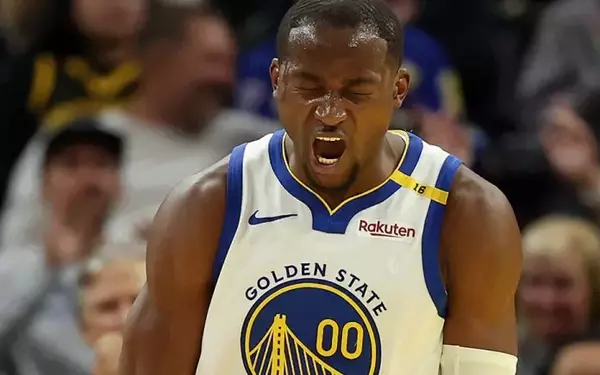
The Los Angeles Lakers are actively seeking to enhance their roster, and reports indicate that Andrew Wiggins has emerged as a potential acquisition. This strategic interest suggests the Lakers are aiming to add a key piece as they navigate the upcoming season with LeBron James's contract nearing its end.
A detailed trade framework has been outlined that could facilitate Wiggins's move to Los Angeles. This complex three-team transaction would involve the Miami Heat and the Brooklyn Nets, highlighting the intricate nature of high-stakes NBA deals. Such a move would significantly reshape the rosters of all three involved franchises, with each team looking to address specific needs and optimize their financial and player assets.
Lakers' Strategic Pursuit of Andrew Wiggins
The Los Angeles Lakers are currently exploring various options to bolster their squad, with Andrew Wiggins identified as a prime target for acquisition. This pursuit is part of a broader strategy to strengthen the team, particularly given that superstar LeBron James is entering the final year of his current contract. The Lakers are keen on adding players with a proven track record and playoff experience to enhance their competitive edge in a demanding Western Conference. Wiggins, known for his two-way capabilities and championship pedigree, fits the profile of the type of impact player the Lakers are seeking to integrate into their rotation alongside existing talents like Austin Reaves.
According to reports, a potential multi-team trade scenario is being discussed that would see Wiggins move to Los Angeles. This intricate deal would involve the Miami Heat, Wiggins's current team, and the Brooklyn Nets. The proposed package from the Lakers would include Rui Hachimura and rookie Dalton Knecht, along with cash considerations, while the Lakers would receive Wiggins, Jaime Jaquez Jr. from Miami, and Drew Timme from the Nets. The structure of this trade relies heavily on careful cap management, with Miami potentially utilizing trade exceptions to absorb contracts, and the Nets facilitating the deal by taking on expiring contracts and receiving draft compensation. This complex maneuver underscores the Lakers' determination to secure a player who can contribute immediately and significantly to their championship aspirations.
Complexities of the Three-Team Trade Scenario
The proposed three-team trade involving the Los Angeles Lakers, Miami Heat, and Brooklyn Nets is a sophisticated undertaking with numerous moving parts. This intricate transaction is designed to bring Andrew Wiggins to the Lakers while addressing the roster needs and financial considerations of all participating teams. For the Lakers, acquiring Wiggins would add a veteran presence and defensive versatility, complementing their existing roster which has already seen significant changes this summer with additions like Deandre Ayton and Marcus Smart. The decision to pursue Wiggins reflects the team's commitment to making a substantial acquisition before the NBA trade deadline, signaling their intent to contend for a championship in the near future.
From Miami's perspective, trading Wiggins so soon after acquiring him would represent a notable shift in strategy. The Heat, having been eliminated in the first round last season, are likely evaluating their roster balance and future direction. The proposed deal would see them receive Rui Hachimura and Dalton Knecht, allowing them to recalibrate their lineup while potentially absorbing Wiggins's contract through trade exceptions. The Brooklyn Nets' role in this scenario is primarily to facilitate the trade by absorbing salary, specifically Maxi Kleber's expiring contract, in exchange for a protected 2026 second-round pick and financial compensation. The successful execution of this trade hinges on meticulous financial planning and the willingness of all three franchises to navigate the complexities of player movement and salary cap implications to achieve their strategic objectives.